
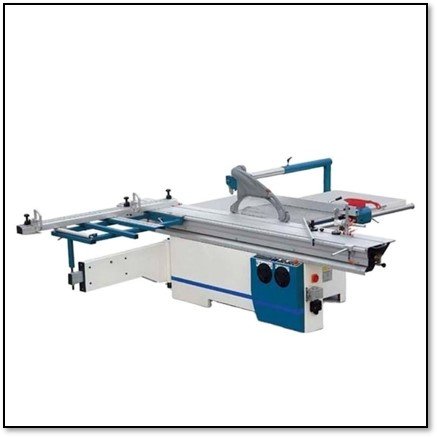
Hundreds of sheet cutting workshops fail to scale up because they treat modern furniture production like traditional carpentry. Piles of expensive engineered board sit on the factory floor, waiting for an army of workers to measure, cut, trim, and finish each section by hand. This old method creates massive bottlenecks, uneven finishes, and endless material waste. Transitioning your workshop into a smooth, streamlined production line requires a fundamental shift in how you look at hardware. Utilizing a dedicated modular furniture machine setup changes your entire workflow, transforming raw plywood or MDF sheets into precision-finished cabinetry with minimal human effort. This blog details the essential industrial systems that turn raw panels into high-end commercial products.
The Foundation of Perfect Square Cuts
You cannot build a straight cabinet with crooked or chipped components. In the modern factory workflow, everything begins at the sizing station. Forcing large, heavy sheets through a basic, unguided table saw leads to shaky cuts, ruined laminate edges, and severe operator exhaustion.
The Essential Sizing Apparatus
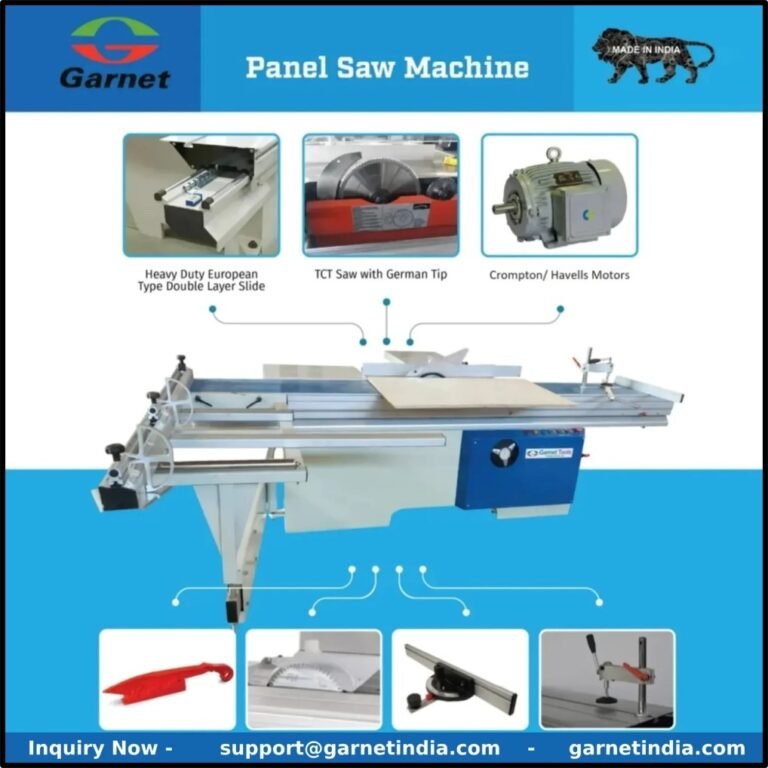
To achieve flawless, factory-grade precision, workshops rely on a heavy-duty Panel Saw Machine. This system utilizes a unique dual-blade mechanism to guarantee perfectly clean edges on double-sided laminates or veneered boards.
A smaller scoring blade rotates at high speed ahead of the main blade, slicing a tiny groove through the brittle bottom layer of the sheet. The main blade then follows directly behind to cut through the core material. This setup avoids edge blowout, allowing cut panels to bypass manual patch-up work and go straight to the next production stage.
Sealing and Finishing Raw Edges
Once your panels are perfectly square, they move immediately to the edge finishing section. Leaving the raw, exposed edges of particleboard or MDF uncovered ruins the look of the piece and exposes the core wood to moisture damage. Applying PVC or veneer tapes manually using handheld glue rollers or household irons is incredibly slow and highly inconsistent.
Eliminating the Manual Gluing Bottleneck
An advanced Edge banding machine fully automates this entire step, handling panel tracking, hot-melt adhesive application, edge tape feeding, pressure rolling, flush trimming, and end-cutting in a single continuous pass.
Critical Operational Advantages of Automated Edge Finishing
- Flawless Water Resistance: Seamless hot-melt adhesive application creates an airtight seal that blocks moisture from entering the core wood layers.
- Rapid Cycle Times: Panels feed smoothly through the finishing tracking wheels in seconds, keeping pace with the rapid output of the cutting station.
The machine trims the excess tape flush with the board faces and buffs the edges to remove any sharp plastic corners, delivering a professional finish that stands up to years of daily wear.
High-Precision Hole Boring and Joinery
The final mechanical phase before packing involves drilling the exact holes required for dowels, cam locks, hinges, and drawer slides. Attempting to measure and drill these holes manually using hand drills slows down assembly and increases the risk of misaligned joints.
Multi-boring units utilize rows of specialized pneumatic spindles to drill dozens of perfectly spaced holes simultaneously. When your cutting, edging, and boring systems are perfectly synchronized, individual cabinet parts fit together perfectly on the assembly line like puzzle pieces, without needing any on-site adjustments.
Balancing Your Production Floor Capacity
Optimizing a modern factory layout requires looking closely at how work flows between different machine bays.
- Match your machine speeds: Ensure your edge finisher can comfortably handle the daily output generated by your main sizing line.
- Track panel travel distances: Arrange your equipment in a logical sequence so raw boards move forward continuously without backtracking across the workshop floor.
Conclusion
Automating the movement from raw timber sheets to finished components removes the guesswork from manufacturing. Upgrading to robust, industrial-grade sizing and finishing gear ensures your shop delivers premium furniture consistently, on time, and within budget. Garnet India manufactures heavy-duty, high-precision woodworking machinery engineered to eliminate processing delays and maximize factory output for growing manufacturing brands.
Frequently Asked Questions
What equipment is essential for setting up an automated cabinet manufacturing line?
An automated line requires a high-precision sizing unit for dual-blade cutting, an industrial edge finisher for sealing raw panel faces, and a multi-boring system for hardware hole drilling.
How does a dual-blade system prevent chipping on pre-laminated boards?
A secondary scoring blade pre-cuts a micro-groove through the bottom laminate layer, ensuring the main blade cuts through the core wood without blowing out the delicate surface finish.
Why is an industrial edge finisher better than manual tape application?
An industrial finisher automatically applies hot-melt glue, presses the tape evenly, trims excess material flush, and buffs the corners in a single, high-speed pass.
What causes modular cabinet panels to misalign during final assembly?
Misalignments usually stem from slight measurement errors during manual panel cutting or shifting parts caused by drilling hardware holes with hand tools.