
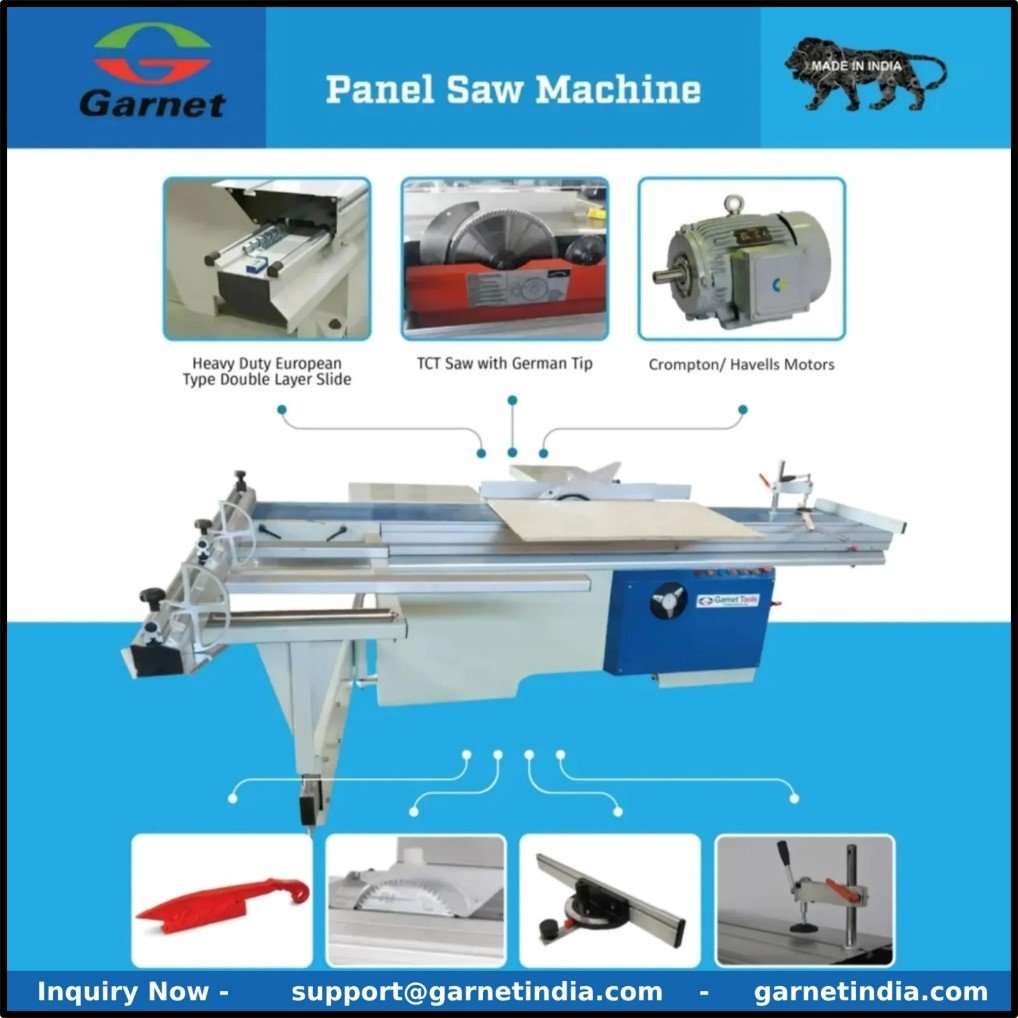
Every year, dozens of medium-sized furniture workshops in India quietly pull down their shutters. It is rarely due to a lack of orders or a sudden shortage of materials. Most of the time, the culprit is a hidden, creeping drag on the shop floor. Orders keep piling up on the manager’s desk, but the actual output slows down to a crawl. If your factory floor feels like a chaotic traffic jam during peak hours, you are likely dealing with classic production bottlenecks. Finding the right sliding panel saw to streamline these exact pain points is often the turning point between scaling up your business or closing down.
Let us look at exactly where these production delays hide and how the right technology gets everything moving again.
Why Structural Weight Matters on a Busy Factory Floor
Walk into any budget workshop and you will notice machines vibrating across the floor during heavy cuts. Vibration is the ultimate enemy of cutting precision. When you force a heavy sheet of laminated board past a spinning blade on a lightweight frame, the microscopic shaking creates jagged, chipped edges on your expensive laminates.
High-output setups prevent this entirely through heavy iron construction. A solid, cast-iron internal structure acts like an anchor, completely absorbing the motor forces and material impacts.
This heavy-duty design philosophy keeps the main blade and the scoring blade perfectly aligned over thousands of continuous hours. If your machine frame flexes even half a millimeter under the weight of a thick stack of boards, your finished cabinets will not fit together cleanly during final assembly.
The Mechanical Advantage of Smooth Sliding Mechanisms
Pushing large 8×4 feet industrial sheets across a fixed table saw manually is an exhausting, two-man chore that burns through labor efficiency. Modern production relies heavily on a specialized rolling table system to carry the material smoothly past the blades.
The secret to longevity in these systems lies in how the table tracks are constructed. High-volume factories require multi-channel steel guidance systems instead of basic round ball bearings.
Structural Comparison for High-Volume Needs
- Multi-Channel Steel Tracks: These systems distribute the weight of massive timber loads evenly across a wider surface area, preventing grooving and ensuring frictionless movement over years of operation.
- Cast-Iron Internal Assemblies: Massive internal mountings keep the high-horsepower motors rigid, eliminating blade runout and protecting fragile laminate surfaces from chipping.
Dual-Blade Systems Prevent Costly Reject Piles
Cutting bare plywood is simple, but processing high-gloss laminates or double-sided melamine sheets requires a highly specialized approach. If you attempt to cut a pre-laminated board with a single standard blade, the teeth exiting the bottom side will inevitably shatter the brittle laminate surface.
Industrial sizing units solve this hurdle by utilizing a secondary scoring blade. This smaller blade spins in the opposite direction of the main blade, slicing a shallow groove through the bottom laminate layer just milliseconds before the massive main blade cuts through the core wood. The result is a glass-smooth edge on both the top and bottom faces, meaning your panels can go straight to the edge-banding station without needing any tedious manual sanding or repairs.
Action Plan for Evaluating Current Sizing Equipment
Optimizing your cutting department requires a clear-eyed look at your current machinery performance numbers.
- Track your daily rework numbers: Count exactly how many panels require manual trimming or get rejected due to poor squareness or edge chipping.
- Measure the manual movement time: Watch how long your operators spend lifting, turning, and aligning boards manually between individual cuts.
Driving Continuous Production Efficiencies
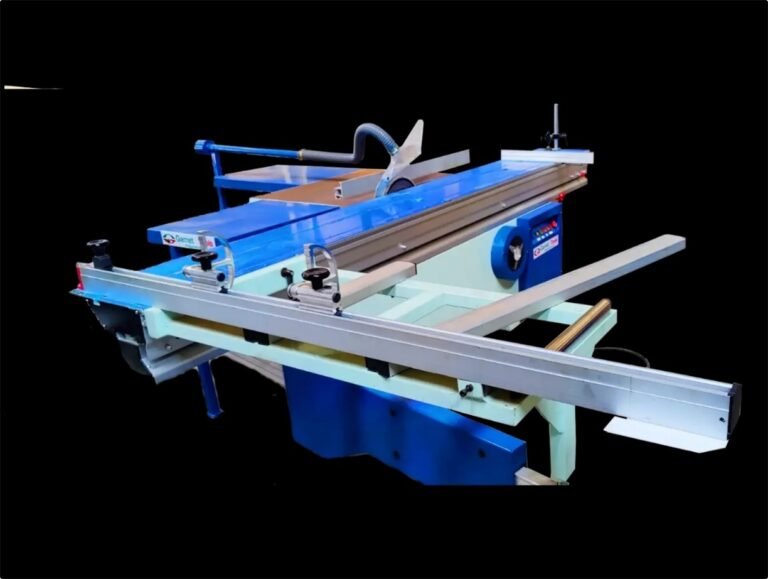
Scaling up factory output is never about working faster or forcing laborers to sweat more. It is entirely about removing the physical obstacles that slow down their natural workflow. Investing in a panel saw heavy duty system removes the biggest processing roadblock on your floor, ensuring your cutting speed comfortably matches your assembly capacity.
Conclusion
A rigid, well-engineered sizing system forms the backbone of any serious furniture business, turning raw materials into highly profitable, ready-to-assemble components month after month. Transitioning to heavy-duty, industrial-grade sizing setups lets you take on massive commercial projects with absolute confidence in your deadlines. Garnet India manufactures robust, high-precision industrial woodworking systems designed to eliminate workshop bottlenecks and drive continuous manufacturing profitability.
Frequently Asked Questions
What features make an industrial sizing unit suitable for continuous factory operations?
A combination of a heavy cast-iron internal frame, a wide multi-channel linear rolling table, and a dedicated high-horsepower dual-motor setup ensures the system runs without accuracy drift.
How does a secondary scoring blade improve final product quality?
The smaller scoring blade pre-cuts the brittle surface laminate layer from underneath, completely eliminating edge chipping when the large main blade rips through the core wood.
Why do lightweight cutting machines fail in high-volume workshops?
Lightweight frames vibrate heavily under the weight of thick timber sheets, which causes misaligned cuts, blade warping, and frequent mechanical breakdowns.
What is the mechanical benefit of a multi-channel rolling carriage system?
It spreads out heavy panel loads over a wider track area, which provides a smooth, frictionless glide and prevents the table from tracking off-line over time.