
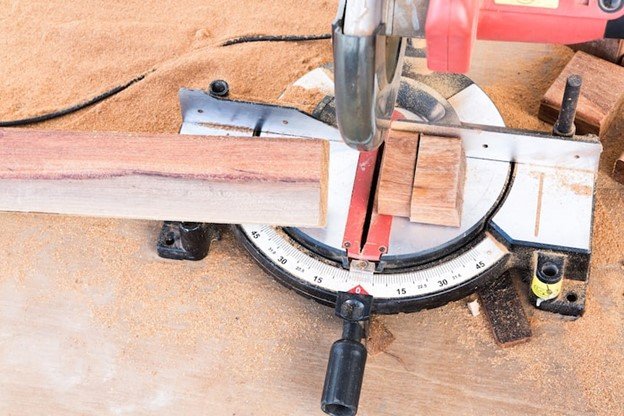
A small setup in Surat started with two workers, one cutting machine, and a lot of trial and error. Orders were coming in, but delays kept piling up. Panels were uneven, edges rough. Then they upgraded to a proper sliding panel saw, and things changed almost overnight. Cleaner cuts. Faster output. Less waste. That’s the difference the right machines make.
This blog breaks down the essential machines needed to start a furniture manufacturing business in India, without overcomplicating things.
Why Machine Selection Matters in Furniture Manufacturing
Furniture is not just about design anymore. Speed, finish, and consistency decide whether a business grows or struggles. Manual work slows things down. Inconsistent output affects customer trust. Machines bring control into the process. Choosing the right ones early saves money and stress later.
Core Machines Every Setup Needs
Starting small does not mean cutting corners. A basic but smart setup can handle most furniture production needs.
Sliding Panel Saw for Precision Cutting
A sliding panel saw is often the first serious investment. It handles large sheets like plywood, MDF, and laminates with accuracy. Straight cuts, repeatable results, and better speed. Small workshops can start with a basic model. As production grows, upgrades become easier.
Automatic Edge Banding Machine for Finishing
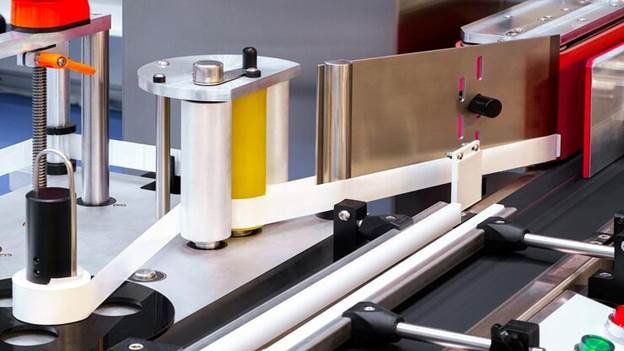
Cut panels are only half the job. Edges matter just as much. An automatic edge banding machine gives clean, smooth edges that look professional. It also improves durability. Manual edge banding takes time and often lacks consistency. Automation fixes that problem quickly.
Modular Furniture Machine for Scalable Production
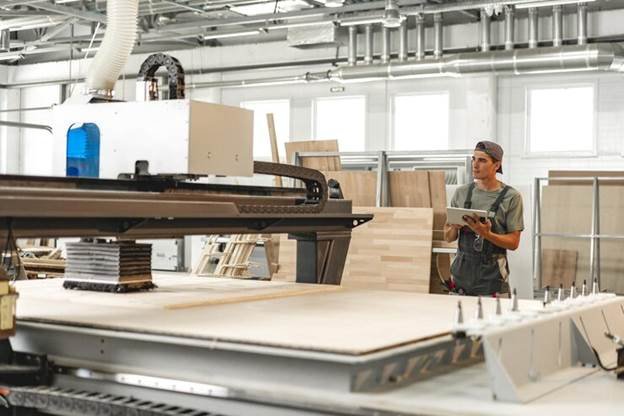
In India, the demand for modular furniture is increasing rapidly. Wardrobes, office layouts. All things are gravitating towards modular designs. A modular furniture machine system aids in the process of streamlining drilling, cutting and assembling. It saves on manual work and accelerates the production, particularly in cases of repetitive designs.
Supporting Machines That Add Value
Core machines handle most of the work, but a few supporting machines improve efficiency.
- Drilling machines for accurate hole placement
- CNC routers for design and customization work
- Dust collection systems for a cleaner workspace
- Compressor systems for pneumatic tools
These additions may not seem urgent at first, but they improve workflow over time.
Real Example from a Growing Workshop
A furniture unit in Bangalore started with basic cutting tools and manual finishing. Orders were limited. They invested in a sliding panel saw and later added an automatic edge banding machine.
Production doubled within months. Rework reduced. Customers noticed the finish quality. Eventually, they moved into modular furniture using a dedicated modular furniture machine setup. That shift opened bigger contracts. Growth came step by step, not all at once.
How to Choose Machines Based on Your Budget
Budget always plays a role. The trick is to spend where it matters most.
- Start with cutting and finishing machines first
- Choose machines that match your current workload
- Avoid over-investing in advanced automation too early
- Check service and spare part availability before buying
A balanced approach works better than chasing the cheapest or the most advanced option.
Common Mistakes to Avoid
Many new businesses rush into buying machines without planning properly. Buying low-quality machines to save money often leads to repair costs later. Ignoring service support creates problems during breakdowns. Overloading small machines with heavy work reduces their life expectancy. Clear planning avoids these issues.
Industry Trend You Should Know
Furniture demand in India is shifting fast toward modular and customized designs. Customers expect faster delivery and a better finish.
That’s pushing manufacturers to adopt machines earlier than before. Even small workshops are moving toward semi-automation. It’s no longer just for large factories. Machines are becoming a necessity, not a luxury.
Practical Advice Before You Start
Visit existing workshops if possible. Watching machines in action gives better clarity than reading specifications. Talk to machine operators. They often share real issues that sellers don’t mention. Start with a strong base setup. Expand gradually as orders increase. Keep learning. Machine handling improves with experience.
Conclusion
The decision to start a business of furniture manufacture in India does not simply start with tools. It is about selecting the appropriate machines that suit your plans of work and growth. Most setups are based on a sliding panel saw, an automatic edge banding machine, and a modular furniture machine.
The idea is not to purchase all at once. The idea is to develop a system that operates efficiently and expands along with your business. Garnet India is a name to consider when a business needs to get good machinery and applicable solutions.
FAQs:
1. Which machine is most important to start a furniture business?
A sliding panel saw is usually the first essential machine, as it handles the accurate cutting of panels.
2. Is an automatic edge banding machine necessary for beginners?
It is highly recommended because it improves finishing quality and saves time compared to manual methods.
3. What is a modular furniture machine used for?
A modular furniture machine helps in the efficient production of modular designs like kitchens and wardrobes by streamlining cutting and drilling.
4. Can I start a furniture business with limited machines?
Yes, starting with basic machines, such as a sliding panel saw and adding more as your business grows is a practical approach.