
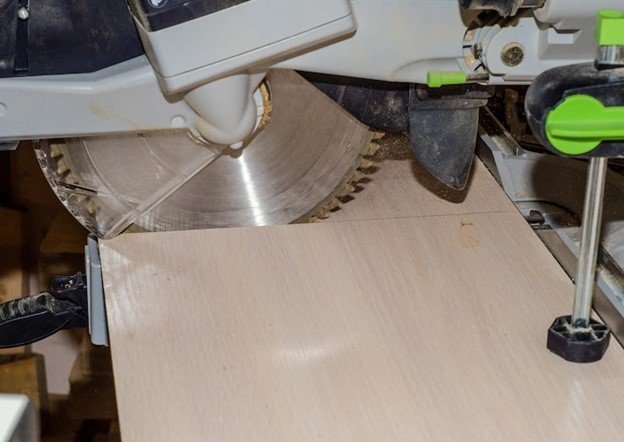
A workshop in Ludhiana kept losing sheets during cutting. Edges chipped, measurements went off, and wastage kept rising. The issue wasn’t the plywood. It was the machine. After switching to a proper sliding panel saw, output improved almost instantly. Cleaner edges, better speed, less frustration.
That’s the gap this blog covers. Choosing the right plywood cutting machine is not about brand hype. It’s about matching the machine to your work.
Why Plywood Cutting Needs the Right Machine
Plywood looks simply. Cutting it cleanly is not. Layers, glue, and surface laminates make it tricky. A weak or unstable machine causes chipping, burning, or uneven cuts. Accuracy matters. Even small errors affect the final furniture fitting. That’s where the right machine changes everything.
Types of Machines Used for Plywood Cutting
Different workshops use different machines depending on scale and budget.
Sliding Panel Saw
A sliding panel saw is one of the most reliable options for plywood cutting. It allows smooth movement of large sheets. Cuts stay straight. Operators get better control. Most small to mid-sized furniture units rely on this machine daily.
Panel Saw Heavy Duty
For industrial setups, a panel saw heavy-duty model is often preferred. These machines are built for continuous work. Thick sheets, bulk cutting, long hours. No problem. They reduce vibration and improve accuracy, especially when handling large production volumes.
Jai Panel Saw
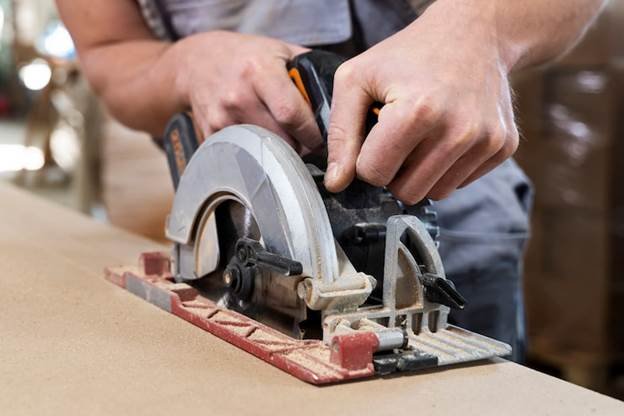
The jai panel sawis known in many workshops as a practical, budget-friendly option. It suits smaller setups or businesses starting out. While not as advanced as heavy-duty machines, it gets the job done for basic cutting needs. Choosing between these depends on workload, not just price.
Key Factors to Consider Before Buying
Buying a plywood cutting machine without checking the basics often leads to regret.
- Cutting accuracy and stability of the machine
- Motor power and blade quality
- Table size and sheet handling capacity
- Build strength to reduce vibration
These factors directly affect output quality and machine life.
Real Example from a Workshop
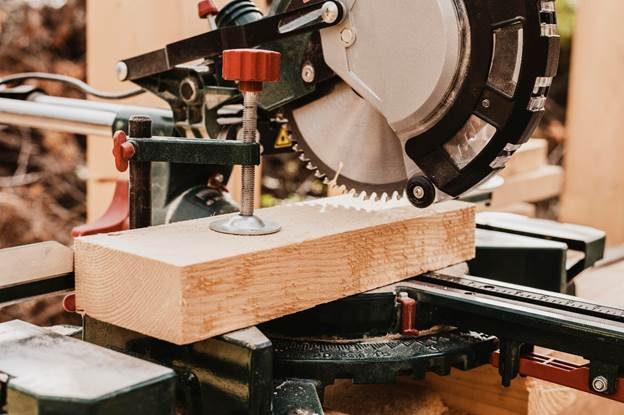
A mid-sized furniture unit in Gujarat upgraded from a basic saw to a panel saw heavy duty system. Earlier, they faced uneven cuts and high wastage. After the upgrade, precision improved.
Material waste dropped by nearly 20 percent. That change alone recovered a big part of the machine cost within a year. Small improvements in cutting can lead to big savings over time.
How to Choose the Right Machine for Your Work
Every workshop is different. There’s no single “best” machine for everyone.
Low-volume work
- A basic jai panel saw, or entry-level sliding panel saw, works fine.
Medium production
- A standard sliding panel saw offers a balance between cost and performance.
High production
- A panel saw with a heavy-duty setup is the better choice for speed and consistency.
Common Mistakes Buyers Make
Rushing into a purchase is common. It usually leads to problems later. Choosing based only on price often results in poor build quality. Ignoring service support creates trouble during breakdowns. Buying a machine that’s too small for future growth limits expansion. These mistakes are avoidable with basic planning.
Practical Tips Before Final Decision
Visit a working site if possible. Watching a machine in action reveals real performance. Check how smoothly the table moves. Notice the cut finish. Small details matter. Ask about maintenance. Machines that are easy to maintain save time and money. Don’t skip training. Even the best machine fails with poor handling.
Industry Trend You Should Know
Furniture and interior demand in India is growing fast. Plywood cutting machines are becoming more advanced. Automation is increasing. Even mid-level workshops are moving toward better cutting systems. Machines are no longer just tools. They are part of the production strategy.
Conclusion
Choosing the best plywood cutting machine comes down to understanding your workload, budget, and future plans. A sliding panel saw works well for most setups.
A panel saw heavy duty model suited to larger operations. A jai panel saw fits smaller or starting units. The goal is simple. Clean cuts, less waste, consistent output.
A smart choice today saves time, money, and effort later. For businesses looking for reliable solutions and strong machine performance, Garnet India is a name worth considering.
FAQs:
1. Which machine is best for plywood cutting in small workshops?
A sliding panel saw, or a jai panel saw, is usually suitable for small workshops due to affordability and ease of use.
2. What is a panel saw heavy-duty used for?
A panel saw heavy duty is used for high-volume plywood cutting with better stability and precision.
3. Is a sliding panel saw better than a basic saw?
Yes, a sliding panel saw provides smoother cuts, better accuracy, and improved handling of large sheets.
4. How do I choose between a jai panel saw and a sliding panel saw?
Choose a jai panel saw for basic work and a lower budget. Go for a sliding panel saw if you need better precision and higher productivity.