
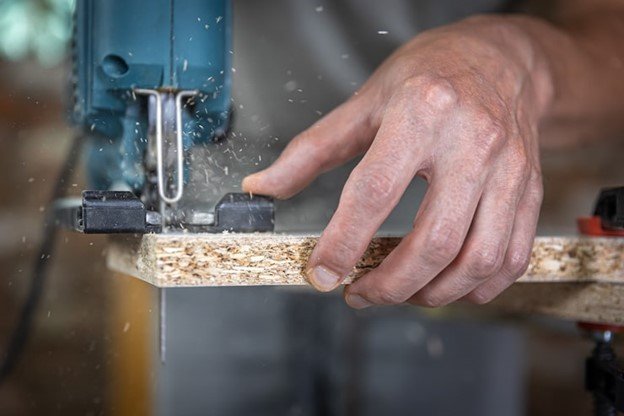
A workshop owner in Haryana bought a cheap cutting machine to save money. Within six months, blade wobble, uneven cuts, and repair bills started piling up. The “low-cost” decision turned expensive fast. This is the truth: most people go through an attempt to calculate the cost of such machines as a panel saw machine without being guided.
This blog disaggregates the real price ranges in India in 2026, what influences these prices, and how to make a choice without overpaying or underbuying.
Why Woodworking Machine Prices Vary So Much
Pricing in this industry isn’t fixed. Two machines that look similar can have a huge price gap. Build quality, automation level, brand reputation, and after-sales support all influence cost. Imported machines usually cost more.
Local machines can be affordable but vary in quality. Understanding this difference helps avoid confusion when comparing options.
Average Price Range of Common Machines in India (2026)
Prices shift depending on features, but some rough ranges help set expectations.
Panel Saw Machine
Entry-level models start around ₹2.5 lakh. High-end versions with advanced automation can go beyond ₹15 lakh. These machines are widely used in panel processing and furniture manufacturing. Higher investment usually brings better cutting accuracy and speed.
Sliding Table Saw Machine
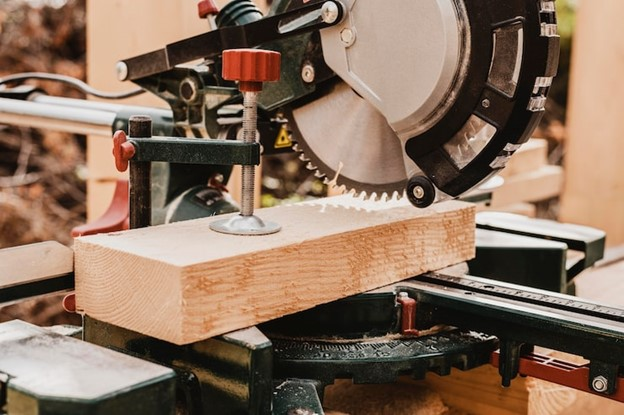
Basic models begin near ₹1.5 lakh. Premium industrial machines can reach ₹6 lakh or more. A sliding table saw machine is common in small to mid-sized workshops. It’s reliable for straight cuts and general woodworking tasks.
Automatic edge banding machine
Prices typically range from ₹4 lakh to ₹20 lakh, depending on the automation level. Fully automatic systems offer faster output and cleaner finishes. Semi-automatic options are cheaper but need more manual work.
What Drives the Cost Up or Down
Not all price differences are random. A few factors consistently impact cost.
- Automation level and technology features
- Machine size and production capacity
- Brand reputation and build quality
- Imported vs locally manufactured machines
Higher automation increases cost but reduces labor and time. That trade-off often makes sense for growing businesses.
Real Example from a Workshop
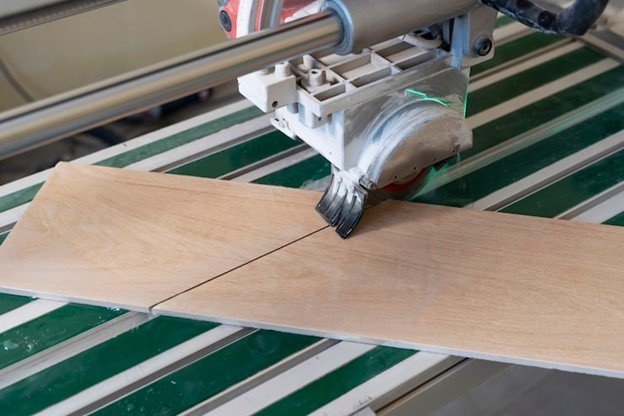
A mid-sized furniture unit in Punjab upgraded from a basic saw to a full setup with a panel saw and an automatic edge banding machine. The initial investment felt heavy. Around ₹18 lakh combined. Within a year, production speed doubled.
Waste reduced. Orders increased. Profit margins improved enough to justify the cost. That shift showed one clear thing. The right machine is not an expense. It’s a growth tool.
Hidden Costs Buyers Often Miss
Machine price is just one part of the total investment. Installation, training, electricity usage, and maintenance all add up over time. Ignoring these leads to surprises later.
Spare parts availability also matters. Machines with hard-to-find parts can cause long downtime. Planning for these costs keeps things realistic.
How to Choose the Right Machine for Your Budget
Buying decisions should match actual needs, not just budget limits.
- Start with your production requirement, not machine features
- Compare long-term cost instead of only the upfront price
- Check service support before finalizing the deal
- Avoid overbuying advanced machines you may not fully use
A balanced decision saves money and reduces operational stress.
Entry-Level vs Advanced Machines
Single-user machines are suitable for small workshops or startups. They are low-cost and easy to use. Scales consist of advanced machines. Quick output, finishes, and less laboriousness.
The two are related to workload rather than budget. There are numerous examples of businesses that upgrade in a couple of years due to increased demand.
Market Trend in 2026
Demand for automated woodworking machines is rising in India. Furniture manufacturing, modular kitchens, and interior projects are driving this growth. Machines like the automatic edge banding machine are becoming more common even in mid-sized setups. Efficiency is no longer optional. It’s expected. At the same time, buyers are becoming more aware. Price alone is no longer the main deciding factor.
Conclusion
Woodworking machine cost in India depends on far more than just the price tag. The final decision is determined by the type of machine, build quality, automation, and long-term value.
A panel saw machine, sliding table saw machine or automatic edge banding machine may vary greatly in price, yet the appropriate one will be one that fits your production requirements and future expansion strategies. Investing now can pay off in the long run.
Garnet India is a company that can be trusted by businesses in search of quality machinery and expert advice.
FAQs:
1. What is the price of a Panel Saw Machine in India?
A Panel Saw Machine can cost between ₹2.5 lakh and ₹15 lakh or more, depending on features and automation.
2. How much does an automatic edge banding machine cost?
An automatic edge banding machine typically ranges from ₹4 lakh to ₹20 lakh based on capacity and technology.
3. Is a Sliding Table saw machine good for small workshops?
Yes, a Sliding Table saw machine is a cost-effective and reliable option for small to mid-sized woodworking businesses.
4. Which woodworking machine should I buy first?
It depends on your work type. For basic cutting, a sliding table saw works well. For advanced production, combining multiple machines gives better results.