
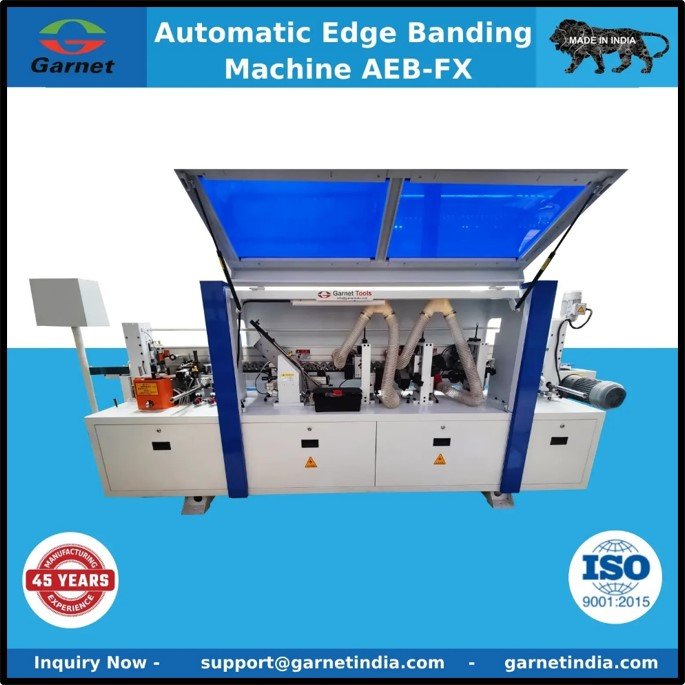
The global demand for modular furniture is skyrocketing right now. Walk into pretty much any modern apartment in London, Dubai or New York and what do you see? It is all about those sleek, handleless kitchen cabinets and totally seamless wardrobes. Indian furniture exporters are sitting in the perfect spot to grab a massive slice of this multi-billion-dollar market.
But honestly a major bottleneck has been holding local workshops back for years. It comes down to the finish of the panel edges. For the longest time, manual gluing and hand-scraping were just the way things got done. But today? International buyers will reject a piece if it is even a millimeter uneven. To stay alive and actually dominate, Indian manufacturers are making a quick shift toward the automatic edge banding machine.
This is exactly why that mechanical upgrade is not optional anymore if you want to export. It is about protecting your margins and knowing what to look for when you pick machinery for your production floor.
The Precision Trap: Why Hand-Finishing Fails International Standards
Global furniture retail giants have zero tolerance for quality defects. None at all. If a shipment lands in Europe with visible glue lines, peeling PVC tape or chipped corners, the whole container gets sent right back.
Manual edge banding relies way too much on how a carpenter feels that day. On a Monday morning, a worker might make flawless panels. By Friday afternoon? Fatigue sets in big time. The pressure on the tape gets uneven or maybe the glue temperature drops a bit.
An automated system just removes human error from the equation. It feeds the panel, puts the adhesive on at a perfectly controlled temperature, bonds the tape, cuts the ends and buffs the edges. It does all of this in one single, continuous pass. What you get is a seamless finish that passes strict European and American quality audits every single time.
Boosting Output Without Exploding Factory Overhead Costs
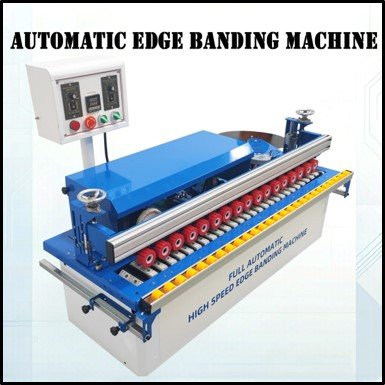
Scaling up a furniture export business used to mean hiring dozens of manual laborers. That always brings management headaches, rising wages and a roller coaster of different skill levels.
Modern production lines need speed. An automated setup processes dozens of panels every minute. What used to take a team of four carpenters a whole day now takes one machine operator just a couple of hours.
A lot of small workshops hesitate to upgrade because they see the price tag and get scared. But entering the automated market has actually become very affordable lately. Investing in a Low cost automatic edge bander edge bander lets smaller export units match the daily output of massive factories without taking on scary amounts of debt. The machine literally pays for itself in a few months by cutting down labor costs and stopping material waste.
Key Benefits Driving the Transition
The shift toward automation brings some really clear advantages directly to the factory floor:
- Flawless Aesthetic Finish: Industrial pre-milling and corner rounding units make sure the joints between the laminate and the edge band tape are practically invisible to the eye.
- Higher Moisture Resistance: Precise, high-temperature glue application seals the raw particleboard or MDF perfectly. This stops moisture from warping the furniture while it sits in a shipping container at sea.
- Massive Material Savings: Automated trimming units cut the tape exactly at the edge, which saves thousands of meters of PVC or veneer tape every single month.
- Consistent Production Speed: Machines do not take breaks or get tired. This means manufacturers can commit to tight shipping deadlines with real confidence.
Strategic Machinery Selection for Growing Exporters
Not all automated edge banders are built the same way. Buying a machine that is too big can totally drain your cash but buying one that is too small will choke your growth.
For workshops making the jump from manual methods to automation, a compact, multi-functional machine is usually the best place to start. Look out for heavy-duty chain feeders that keep panels moving smoothly so nothing slips. The frame itself needs to be rigid to absorb vibrations because that is what ensures accuracy after years of nonstop work.
Overcoming the Skills Gap on the Shop Floor
A very common worry for factory owners is that their current crew will not know how to run high-tech machinery. It is a fair fear to have but modern equipment is built with incredibly simple interfaces nowadays.
Most entry-level automated systems use basic control panels with clear buttons or touchscreens. Operators do not need to be tech geniuses or have a degree. They just need to learn how to set the thickness dimensions and watch the temperature gauges. With just a couple of days of good training from the machinery supplier a traditional carpenter can easily become a skilled machine operator.
Conclusion
The Indian furniture export sector is going through a massive shift right now. Relying on old manual tools makes it impossible to race against highly automated factories in Southeast Asia and Europe. Upgrading to reliable high-precision machinery is simply the fastest way to scale up, land those bigger international contracts and build a global reputation for quality. For over forty years, Garnet India has been helping manufacturers across the country with heavy-duty, high-precision industrial machinery built to maximize efficiency and grow profits.
Frequently Asked Questions
What is the average price of a low cost automatic edge bander in India?
Prices vary based on features like pre-milling and corner rounding. Entry-level, compact automated models generally start around a few lakh rupees, making them highly accessible for growing small and medium enterprises.
Can an automatic edge banding machine handle different tape thicknesses?
Yes. Most industrial machines can easily adjust to handle tape thicknesses ranging from 0.4mm to 3mm, allowing you to switch between thin PVC tapes for inner shelves and thick 2mm bands for external cabinet doors.
Is it difficult to maintain a low cost automatic edge bander?
Not at all. Basic daily maintenance involves cleaning out dust, checking the glue pot for charring, and lubricating the moving tracks. Regular upkeep ensures the machine runs smoothly for decades.
Do automated edge banders work well with both MDF and particleboard?
Absolutely. The machinery is specifically designed to seal the porous edges of engineered woods like MDF, plywood, and particleboard, providing a clean and durable finish.