
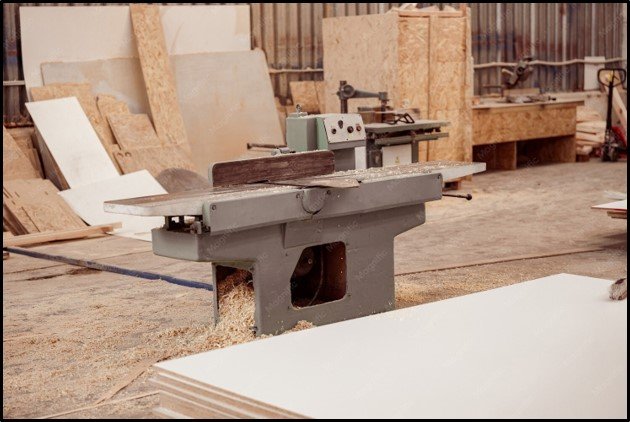
The global modular furniture market is on track to cross $14.5 billion by 2030. Driven by micro-apartments, remote work and a massive shift toward custom, space-saving layouts, things are changing fast. For factories relying on older manufacturing lines this surge poses a major question. Is your existing system capable of supporting the need for 48-hour turnarounds and zero-defect edges? The days of large-scale production are being replaced by mass customization. Special Purpose wood working machines setup to stay relevant. This blog outlines the essential smart machinery investments required to keep your production line competitive over the next decade.
The Shift to High-Speed Precision
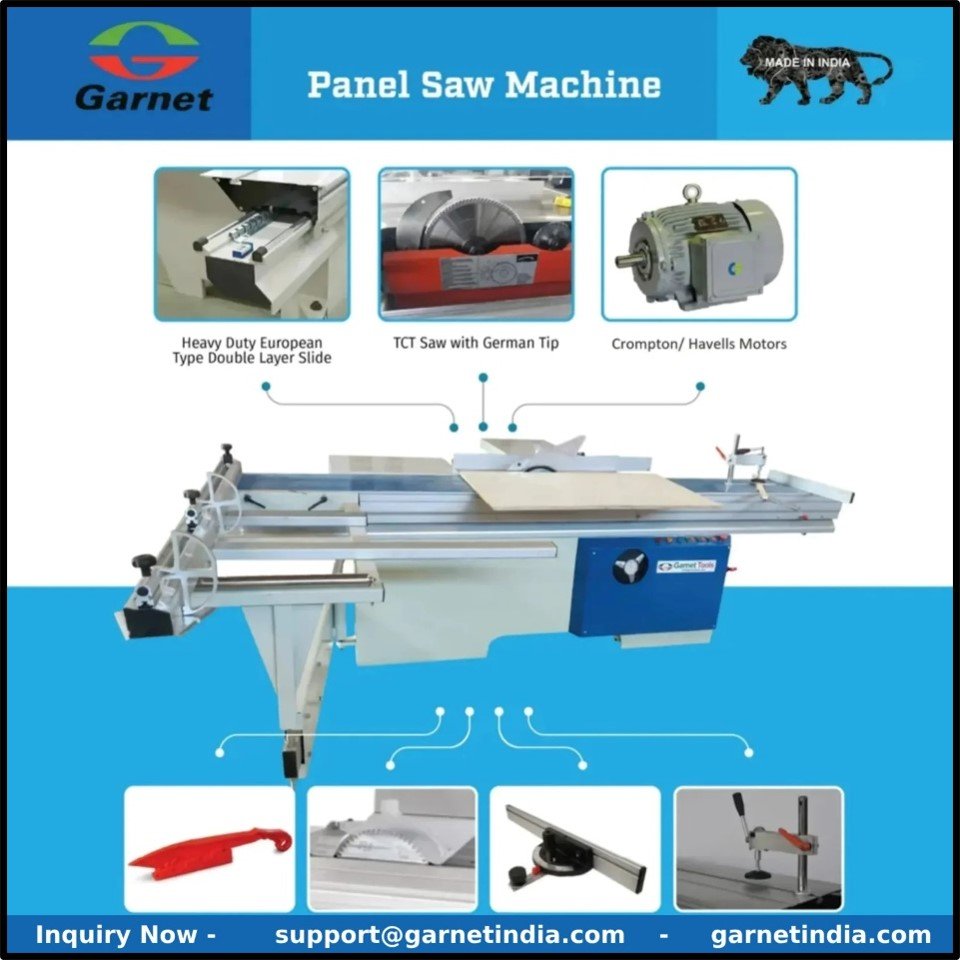
Buyers no longer want standard, one-size-fits-all wardrobes. They want custom configurations that fit exact room dimensions. This shift requires a modern modular furniture machine capable of handling rapid software changes without pausing production. Traditional workshop setups lose hours every week to manual measurements and fence adjustments. It is a total time sink.
By 2030, the standard factory floor will run on automated nesting lines. These systems link design software directly to a CNC router or an advanced panel saw. The machine reads the digital blueprint, optimizes the board cutting layout to minimize waste, and processes the panel. This automation reduces material waste by up to 30 percent and prevents common cutting errors.
Edge Banding and Zero-Joint Perfection
The quality of a modular cabinet is judged by its edge. If an edge band shows a visible glue line or peels after a year of moisture exposure, a brand’s reputation suffers. Smart factories are moving away from basic hot-melt glue pots toward PUR gluing systems and hot-air fusion technology.
Modern edge banders now feature automatic setup changes. When an operator switches from a 0.4mm PVC tape to a 2mm solid wood lip, the machine adjusts its pressure rollers and trimming knives automatically. This eliminates manual test runs, scrap pieces, and idle machine time.
Specialized Equipment for High-Volume Customization
Normal panel processing equipment is suitable for rectangular cabinets, but contemporary designs can be in unusual forms, with specialized joinery and intricate drilling patterns. It is here that special-purpose woodworking machines are required. Multi-purpose units are used to drill, route and groove a workpiece in one cycle instead of separating it into three stand-alone stations.
Investing in dedicated machinery solves common bottlenecks in high-volume production:
- Through-feed multi-boring units: These machines drill all vertical and horizontal holes for hardware insertion simultaneously, ensuring perfect alignment across production batches.
- Insulated and heavy-duty cold presses: Essential for high-pressure lamination, these systems ensure uniform bonding across composite materials without surface bubbling.
- Post-forming machinery: Automated shapers create seamless, curved edges on countertops, eliminating moisture entry points.
Smart Material Handling and Automation
A major bottleneck in traditional furniture factories is material handling. Workers lose significant time lifting heavy boards, sorting cut pieces, and searching for matching parts. Future factory floors will utilize vacuum lifters and automated return conveyor belts to streamline operations.
When a panel exits an edge bander, an automated return system routes it back to the operator for the second side, cutting labor needs in half. Panels are also tagged with barcodes or QR codes at the initial cutting stage. This allows scanning at subsequent stations for instant machine adjustments, eliminating manual blueprints on the factory floor.
Upgrading the Production Line for Future Demands
Upgrading a facility does not require replacing every piece of equipment overnight. Success lies in identifying the primary bottleneck on the production floor. If panel cutting lags behind assembly, a heavy-duty sliding table saw with digital readouts offers an immediate efficiency boost. If edge finish quality causes client complaints, prioritizing a precise edge bander is the logical step.
A hedged machine plan helps your business to ensure against the risk of labor shortage and increased prices of raw materials. With the current equipment in place, factories are able to produce on a large scale with minimal operators and maximize material output.
Conclusion
Achieving consistent quality in modular furniture production requires the right manufacturing partner. For almost 50 years, Garnet India has produced quality, high-precision machinery that is designed to maximize production lines within industries. Find out about our entire range of automated solutions to get your workshop ready for the next generation of manufacturing.
Frequently Asked Questions
What defines a smart modular furniture machine?
A smart machine connects directly to production software, allowing it to interpret design files and adjust its settings automatically without manual tool changes.
Why are special purpose wood working machines necessary for modern factories?
These specialized machines combine multiple manufacturing steps, such as multi-angle drilling and routing, into a single operation. This increases production speed and eliminates manual handling errors.
How do modern automated panel saws reduce material waste?
Automated saws utilize optimization software to calculate the most efficient cutting layouts on a board, reducing scrap pieces and maximizing material utilization.
Can small workshops transition to automated machinery?
Yes, workshops can scale gradually by adding compact digital edge banders or mini panel saws, which offer high precision without requiring large factory spaces.