
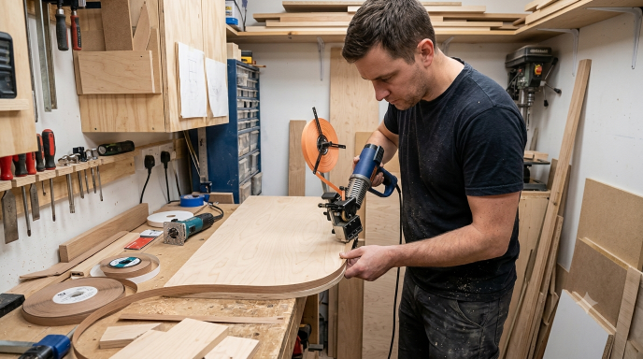
A one-man carpentry setup in a rented shed near Indore handles custom furniture orders for the whole neighbourhood, but floor space barely fits a workbench, let alone a full-sized production line. That’s precisely the situation where a Portable Edge Banding Machine genuinely earns its keep, offering real automation without demanding the square footage a full factory setup requires.
Why Portability Solves a Genuine Problem
Small workshops face a specific constraint that larger factories simply don’t deal with: limited physical space combined with genuinely variable daily workload. Some days bring three panels needing edge work; other days bring thirty. A bulky, fixed installation machine doesn’t accommodate that kind of variability well.
What makes portability genuinely valuable for smaller operations:
- Machines can be moved or repositioned as workshop layout needs change.
- Storage becomes possible when the machine isn’t in active daily use.
- Lower floor space requirement compared to full-sized production lines
- Flexibility to bring the machine directly to larger panels rather than feeding panels through a fixed station
This isn’t about compromising on capability entirely; it’s about matching equipment to the actual working conditions most small workshops operate within daily.
Who Genuinely Benefits From This Type of Machine
Independent carpenters, small custom furniture makers, and workshops handling occasional rather than continuous high-volume production all find portable options particularly well suited to their operations. A large factory running three shifts daily has entirely different needs, but that’s simply not the reality most small workshop owners are working with.
Key Features to Look for in a Portable Unit
Not every compact machine on the market delivers genuinely reliable results, and understanding what separates a good portable option from a disappointing one saves considerable frustration later.
Features worth prioritising during your search:
- Reasonable weight for genuine portability; heavy units defeat the entire purpose.
- Stable base or clamping mechanism, ensuring accuracy despite the compact design
- Adequate glue temperature control, even in a smaller footprint
- Compatibility with common banding materials, PVC and veneer at minimum
A machine marketed as portable but weighing as much as a fixed installation unit isn’t really solving the space and flexibility problem it claims to address.
Balancing Compact Design With Genuine Functionality
Some manufacturers reduce size by cutting genuinely important features, weaker motors, simplified temperature control, or reduced trimming precision. A good portable option maintains core functionality while genuinely reducing footprint and weight, rather than sacrificing the fundamentals just to fit a smaller form factor.
What These Machines Can and Cannot Handle
Setting realistic expectations upfront prevents disappointment after purchase, since portable units genuinely differ from their larger, fixed installation counterparts in certain respects.
Realistic capabilities of most portable edge banders:
- Handle standard panel sizes typical of residential furniture work well.
- Process moderate daily volume suited to small workshop demand
- Deliver consistent bonding quality comparable to larger machines when properly maintained.
- Work well for both standard and moderately customised furniture pieces.
Where limitations genuinely exist:
- Lower maximum daily throughput compared to full-sized production lines
- May lack advanced features like automatic corner rounding in more basic models
- Less suited to extremely large panels or continuous high volume runs
Understanding these boundaries helps small workshop owners choose realistically rather than expecting factory-level output from equipment specifically designed for smaller-scale operations.
When a Small Workshop Might Outgrow a Portable Unit
Growing order volume eventually reaches a point where a portable machine becomes the actual production bottleneck rather than a helpful tool. Recognising this transition point, rather than pushing a smaller machine well past its practical capacity, prevents quality decline and unnecessary equipment strain.
Setting Up a Portable Machine Correctly
Getting genuine value from a compact machine requires proper setup, even within a limited workshop space.
Practical steps for effective setup:
- Identify a stable, level surface area for consistent operation.
- Ensure adequate electrical supply matching the machine’s specific requirements.
- Allow sufficient clearance for panel feeding and material handling.
- Establish a simple but consistent maintenance routine from the very first week.
Skipping proper surface stability, in particular, undermines precision significantly, even with an otherwise well-built machine. A wobbly or uneven work surface introduces exactly the kind of inconsistency that automation was meant to eliminate.
Storage Considerations Between Uses
One genuine advantage smaller workshops enjoy involves storing the machine when it’s not actively needed, freeing up valuable floor space for other tasks. Establishing a proper storage routine, including basic cleaning before storage, protects the machine’s components and extends its working life considerably.
Cost Considerations for Small Workshop Budgets
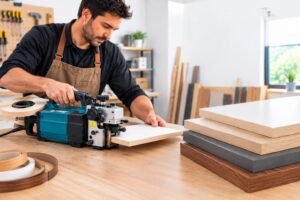
Portable machines typically occupy a more accessible price range compared to full-sized industrial lines, though costs still vary meaningfully based on build quality and included features.
Budget factors worth weighing carefully:
- Initial purchase price relative to genuine daily production needs
- Ongoing maintenance and spare parts availability for the specific model
- Training time required before achieving consistent, reliable results
- Long-term durability given the machine’s actual expected usage frequency
A slightly higher investment in a well-built portable unit, backed by genuine after-sales support, often proves more economical over several years than repeatedly replacing a cheaper option that fails prematurely under regular use.
Making the Right Choice for Your Workshop
Choosing a banding machine ultimately comes down to honestly assessing your actual space constraints, typical daily workload, and realistic growth expectations over the coming years, rather than simply choosing based on the lowest available price.
Conclusion
A banding machine offers small workshops genuine automation benefits without demanding the space or investment a full production line requires, provided buyers choose carefully and set realistic expectations around capability. Matching machine choice to actual workshop needs, rather than either overspending or underestimating requirements, leads to a purchase that genuinely serves daily operations well. At Garnet India, we help small workshop owners find portable edge banding solutions that fit both their physical space and their production goals.
Frequently Asked Questions
Can a portable banding machine match the quality of larger industrial units?
Yes, when properly built and maintained, portable machines deliver comparable bonding and finish quality, though maximum daily throughput remains lower than full-sized production lines.
What panel sizes work well with an edge banding machine?
Most standard residential furniture panel sizes work well, though extremely large panels may exceed what compact units are designed to handle efficiently.
Is a portable machine suitable for a workshop planning to grow significantly?
It works well initially, though rapidly growing operations should plan for eventual transition to larger equipment once daily volume exceeds the portable unit’s practical capacity.
How much floor space does a typical portable banding machine require?
Requirements vary by model, but most portable units need considerably less space than fixed installation lines, often fitting within a modest workshop corner comfortably.