
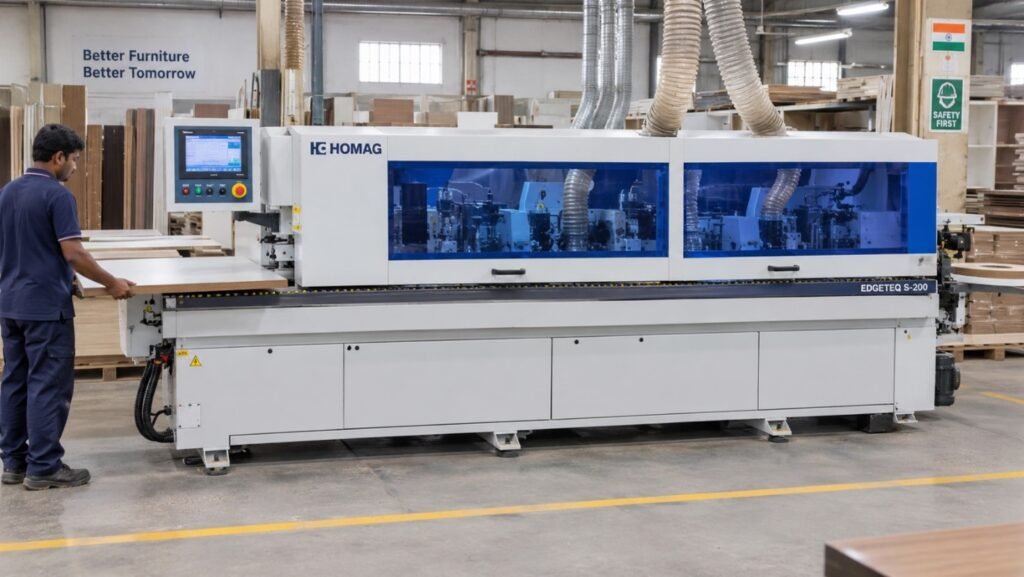
A furniture workshop owner in Rajasthan once asked us why two machines that looked almost identical carried a price difference running into lakhs. Fair question, honestly. The Automatic Edge Banding Machine Price in India varies far more than most buyers expect, and understanding why saves a lot of confusion before you actually sign a purchase order.
Why Prices Vary So Much Across Brands
Walk into any woodworking machinery expo, and you’ll notice something odd. Machines that look nearly the same on the outside can differ in price by two or three times. That gap isn’t random; it comes down to build quality, components, and what the machine can actually handle over years of daily use.
Factors that create this price spread include:
- Country of manufacture, domestic versus imported machinery.
- Quality of internal components like motors and gluing systems.
- Level of automation, from semi-automatic to fully automatic lines.
- After-sales support and warranty coverage offered by the seller.
None of this means the cheapest machine is a bad choice automatically. It just means the price tag alone tells only part of the story.
The Real Cost Behind a Low Price Tag
A machine priced noticeably below the market average often cuts corners somewhere, thinner gluing tanks, weaker motors, or components sourced from less reliable suppliers. That saving upfront sometimes turns into repair costs within the first year, which defeats the purpose of buying budget in the first place.
Core Factors That Determine Machine Cost
Before comparing quotes from different sellers, it helps to understand what actually drives the number on that invoice.
Key elements affecting the final price:
- Production capacity: machines built for higher daily output cost more upfront
- Automation level: fully automatic units with pre-milling and corner rounding sit at a higher price point than basic models
- Build material: heavier steel frames and precision components add to manufacturing cost
- Brand reputation: established manufacturers with proven track records typically price higher, reflecting reliability
A small workshop processing a handful of panels daily has entirely different needs than a large-scale furniture factory running continuous production. Matching the machine’s capacity to actual workshop volume avoids overspending on capability nobody uses.
Semi-Automatic Versus Fully Automatic Options
This distinction alone creates a substantial price difference. Semi-automatic machines require manual intervention at certain stages, trimming or gluing, and cost considerably less. Fully automatic lines handle the entire edge banding process with minimal operator involvement, justifying their higher price through labour savings over time.
Questions worth asking before choosing between the two:
- How many panels does your workshop process daily on average?
- Is skilled labour readily available, or is automation more cost-effective long term?
- Does your production schedule justify the higher upfront investment?
- Will order volume likely grow in the next few years?
Additional Costs Beyond the Machine Itself
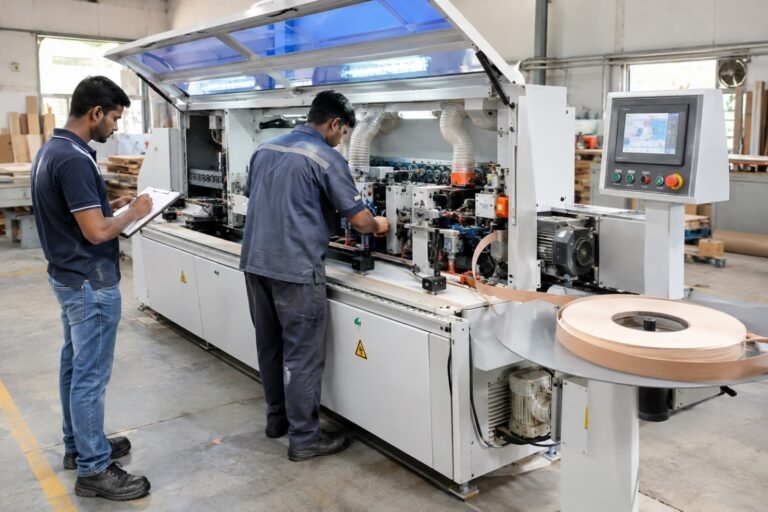
The sticker price rarely tells the complete financial picture. Several additional expenses show up after the initial purchase decision, and skipping this consideration leads to budget surprises later.
Costs commonly overlooked during initial budgeting:
- Installation and commissioning charges, sometimes included, sometimes billed separately.
- Operator training, essential for getting full value from an automatic machine.
- Spare parts availability and their ongoing cost over the machine’s lifetime.
- Electricity consumption, particularly relevant for higher automation models running continuously.
Factoring these into the total cost of ownership gives a far more accurate comparison between two seemingly different price quotes from competing sellers.
Import Duties and Their Impact on Pricing
Machines imported from overseas manufacturers carry additional duties and shipping costs, which domestic manufacturers naturally avoid. This partly explains why comparable specifications from an Indian manufacturer sometimes cost noticeably less than an imported alternative, without necessarily sacrificing build quality.
How to Choose the Right Machine for Your Budget
Rather than chasing the lowest number on a quotation, a more structured approach genuinely pays off over the machine’s working life.
A practical approach to evaluating options:
- Define your actual daily production requirement honestly, not aspirationally.
- Compare quotes from at least three manufacturers or dealers.
- Ask specifically about warranty terms and spare parts availability.
- Request references from existing customers using similar machines.
Skipping the reference check, in particular, is where many buyers regret their decision later. A manufacturer’s own claims rarely tell you as much as an existing customer’s honest experience running the machine daily.
Negotiating With Sellers Effectively
Price negotiation in this industry has more room than most buyers assume. Bundled servicing packages, extended warranty periods, or included spare parts kits often get thrown in when buyers ask directly, rather than accepting the first quoted figure without discussion.
Maintenance Costs That Affect Long-Term Value
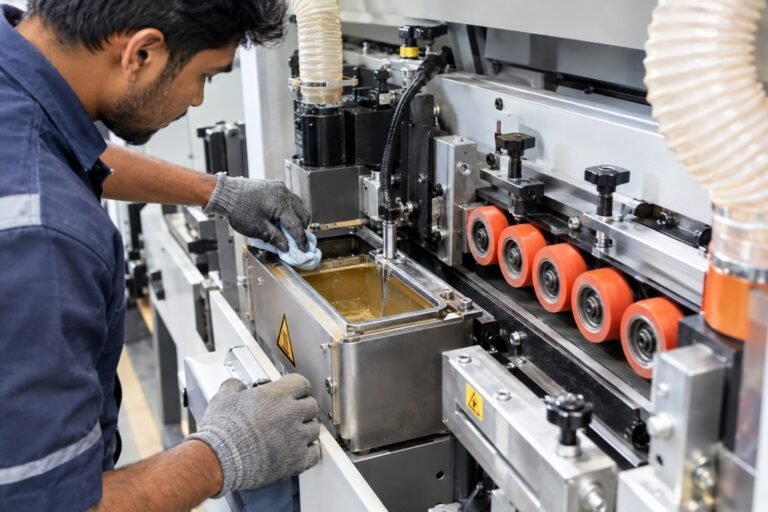
A machine’s purchase price is just the starting point of what it actually costs to own over five or ten years. Maintenance requirements differ significantly between brands and automation levels.
Ongoing maintenance considerations worth factoring in:
- Frequency of glue tank cleaning and replacement parts required.
- Availability of trained technicians in your specific region.
- Cost and lead time for ordering spare components when needed.
- Expected lifespan of key components like motors and pressure rollers.
A slightly higher upfront cost from a manufacturer offering strong local service support often works out cheaper over time than a bargain machine with limited technician availability nearby.
Making the Final Decision
Choosing an edge banding machine ultimately comes down to balancing budget against genuine production needs, not simply picking the cheapest or the most expensive option available in the market. Workshops that take time to compare specifications, ask about after-sales support, and calculate total ownership cost tend to make decisions they don’t regret within the first year of operation.
Conclusion
The price of an automatic edge banding machine in India depends on far more than the number quoted on a single invoice; capacity, automation level, build quality, and ongoing support all play a genuine role in determining real value. Taking the time to compare these factors carefully leads to a purchase that serves your workshop reliably for years. At Garnet India, we help woodworking businesses find machines that match their actual production needs, without overpaying for capability they’ll never use.
Frequently Asked Questions
What is the average price range for an automatic edge banding machine in India?
Prices vary widely based on automation level and capacity, ranging from moderately priced semi-automatic units to significantly higher-priced fully automatic production lines.
Does a higher price always mean better machine quality?
Not always, though it often reflects stronger components and better after-sales support, which matters considerably for long-term reliability and lower maintenance costs.
Are imported edge banding machines worth the extra cost compared to domestic ones?
It depends on specific requirements, since domestic manufacturers now offer comparable quality at lower prices due to avoided import duties and shipping charges.
What ongoing costs should I expect after purchasing an edge banding machine?
Budget for regular maintenance, spare parts replacement, operator training, and electricity consumption, since these add up significantly over the machine’s operational lifetime.