
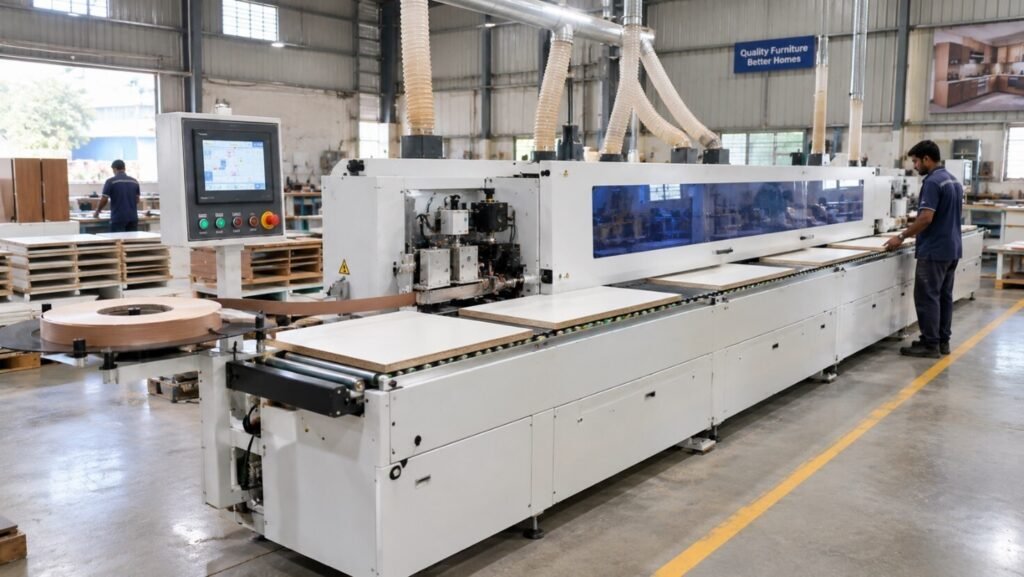
A visit to any furniture manufacturing unit in Punjab or Gujarat tells the same story lately. Old manual trimming stations sitting idle in the corner, replaced by a single machine handling what used to take three workers an entire shift. Buying an Automatic Edge Banding Machine for the first time raises a lot of genuine questions, and this guide walks through what actually matters before you commit to a purchase.
Why This Machine Matters for Modern Furniture Production
Edge banding used to be tedious, manual, and inconsistent. A worker applying banding tape by hand introduces variation; one panel comes out cleaner than the next, and quality control becomes a constant headache for factory supervisors.
Automation solved this problem in a fairly direct way.
What automatic edge banding brings to a production line:
- Consistent finish quality across every single panel processed
- Significantly faster output compared to manual application
- Reduced dependency on highly skilled manual labour
- Lower material wastage through precise trimming and application
For manufacturers scaling up production, this isn’t really optional anymore; it’s become close to a baseline requirement for staying competitive on delivery timelines.
The Shift From Manual to Automated Workshops
Smaller workshops often resist automation initially, assuming it suits only large factories. That assumption doesn’t hold up well anymore. Even mid-sized units producing modular furniture find that a single automated machine pays for itself within a reasonable timeframe, simply through labour savings and reduced rework.
Understanding the Different Types Available
Not every automatic edge bander works the same way, and knowing the distinctions helps narrow down what actually fits your production line.
Common categories manufacturers should know about:
- Single-sided automatic machines, banding one edge at a time, suited to smaller workshops
- Double-sided machines, processing two edges simultaneously for higher throughput
- Machines with pre-milling function, preparing the panel edge before banding for a cleaner result
- Corner rounding units, integrated for furniture requiring rounded rather than square edge
Choosing between these depends heavily on the kind of furniture your unit typically produces. A workshop making straight-edged modular cabinets has different needs than one producing curved, rounded edge furniture pieces.
Matching Machine Type to Production Volume
A small unit processing a modest number of panels daily rarely benefits from the most advanced, high-throughput machine on the market. That investment makes far more sense for larger operations running continuous shifts, where the additional speed genuinely translates into measurable output gains.
Key Features Worth Evaluating Before Purchase
Beyond the basic type of machine, several specific features determine how well it performs in daily use and how much maintenance it eventually demands.
Features that genuinely matter in practice:
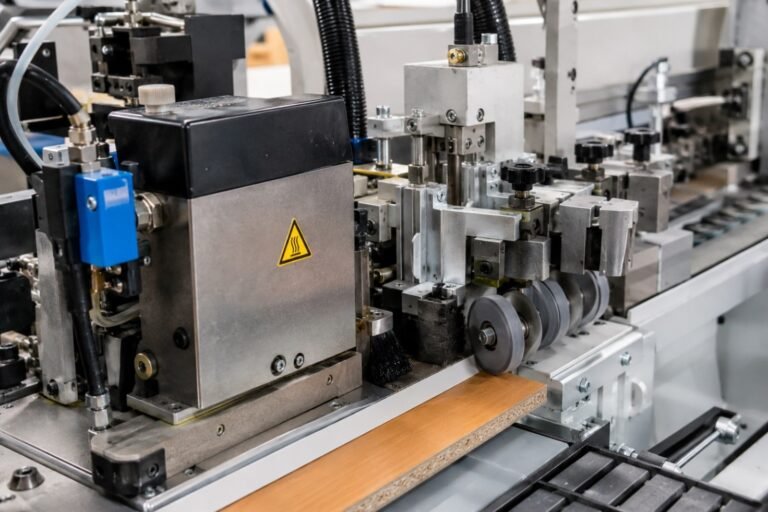
- Glue application system, hot melt glue tanks with reliable temperature control
- Trimming units, precision cutting heads that reduce manual touch-up work afterward
- Panel thickness range, ensuring compatibility with the variety of boards your unit processes
- Speed adjustment settings, allowing flexibility across different material types
Ignoring these details in favour of just comparing price tags often leads to buying a machine that technically works but doesn’t suit the actual materials being processed daily.
Why Build Quality Affects Long-Term Performance
A machine with a lighter frame or lower-grade internal components might run fine initially, but daily industrial use exposes weaknesses fairly quickly. Heavier steel construction and quality rollers hold precision far longer under continuous operation, which matters considerably more than most first-time buyers initially assume.
Setting Up for Success in Your Workshop
Buying the machine itself is only part of the equation. Getting genuine value from an automatic edge banding line requires proper setup and realistic expectations from day one.
Steps that help ensure a smooth transition:
- Allocate adequate floor space, accounting for material feed and output areas.
- Arrange proper electrical supply matching the machine’s power requirements.
- Train operators thoroughly before relying on the machine for full production runs
- Establish a maintenance schedule from the very first week of operation.
Skipping operator training specifically tends to cause the most frustration early on. A powerful machine handled poorly produces inconsistent results just as easily as a basic one, defeating much of the purpose behind the upgrade.
Common Mistakes First-Time Buyers Make
Rushing the purchase decision based purely on price, without checking after-sales support availability, ranks among the most frequent regrets manufacturers share afterward. Spare parts availability and local technician access matter just as much as the machine’s specifications on paper.
Questions to Ask Before Finalizing Your Purchase
A structured evaluation process, rather than an emotional or rushed decision, genuinely improves the odds of choosing the first time correctly.
Worth asking any manufacturer or dealer directly:
- What warranty period comes standard, and what does it actually cover?
- How readily available are spare parts in your specific region?
- Can the seller provide references from existing customers running similar operations?
- What training or installation support is included in the purchase price?
Sellers confident in their product rarely hesitate to answer these questions directly, while vague responses often signal gaps worth investigating further before signing anything.
Conclusion
Choosing the right automatic banding machine for an Indian manufacturing unit comes down to matching genuine production needs with build quality, features, and reliable after-sales support, rather than chasing the lowest available price. A thoughtful evaluation process upfront saves considerable frustration and cost over the machine’s working life. At Garnet India, we help manufacturers select the right machine for their specific production requirements, backed by genuine support long after the purchase is made.
Frequently Asked Questions
How do I know if my workshop needs a single-sided or double-sided machine?
It depends on your daily production volume; double-sided machines suit higher throughput operations, while single-sided units work well for smaller-scale workshops.
Is training necessary even for an experienced machine operator?
Yes, each machine has specific settings and controls, and proper training ensures consistent results while reducing the risk of operational errors or damage.
How long does an automatic banding machine typically last with proper maintenance?
With regular servicing and quality components, most machines perform reliably for many years, though lifespan varies based on build quality and daily usage intensity.
What should I check regarding after-sales support before purchasing?
Confirm warranty terms, local technician availability, and spare parts accessibility, since these factors significantly affect long term reliability and total ownership cost.