
A single microscopic air pocket or a rough edge inside a high-voltage electrical transformer insulation component can trigger a catastrophic short circuit, leading to millions of rupees in damage and sudden grid blackouts. Building reliable heavy electrical infrastructure requires an absolute commitment to structural and dielectric perfection. Traditional manual processing methods for heavy insulation materials simply cannot survive the strict testing parameters enforced by modern utility boards. Utilizing a dedicated precompressed transformer insulation machine has become a vital requirement for manufacturing plants that want to stay certified and avoid expensive product failures.
This blog covers why precision processing of dense solid wood pulp components is essential for modern grid components, how specialized tooling protects long-term insulation values, and the smart path to upgrading your factory floor.
The Brutal Realities of High-Voltage Insulation Stress
Electrical transformer cores run incredibly hot and face massive mechanical stresses every time the grid load fluctuates. To keep the copper windings securely separated, factories rely on thick, high-density cellulose pressboards. This raw material is incredibly tough, dense, and difficult to shape without the right industrial equipment.
When operators try to cut, chamfer, or mill these specialized dense sheets using standard wood-processing tools, things quickly go wrong. Standard tools generate intense friction heat, which scorches the cellulose fibers. Scorched or ragged edges act like a magnet for moisture and electrical tracking over time.
Furthermore, manual finishing creates uneven thicknesses across components like spacer blocks and rings. When a transformer is clamped together under tons of hydraulic pressure, an uneven insulation block causes uneven stress distribution. Under continuous operational vibrations, these loose points slowly degrade, setting up the entire electrical asset for a premature blow-out.
Engineering Dielectric Security into Cellulose Components
High-precision industrial hardware approaches pressboard manufacturing with specialized mechanical engineering principles designed to preserve the material’s internal density. Instead of ripping through fibers roughly, advanced cutters slice the material cleanly, maintaining a perfectly smooth surface finish.
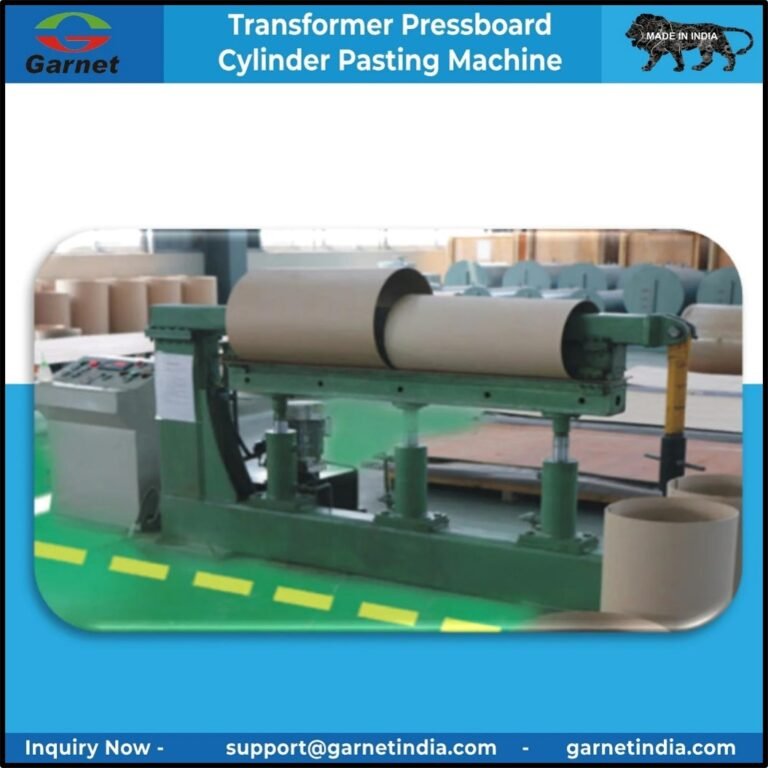
Specialized milling and scarfing setups ensure that when strips of pressboard are joined together to form large cylinders, the joint is completely seamless. Any tiny bump or gap in a cylinder wall creates an immediate structural weak point.
Crucial Processing Areas on the Factory Floor
- Cylinder Edge Scarfing: Creating a perfectly gradual, tapered edge on thick insulation sheets so they can be wrapped into a flawless cylinder without any overlapping thickness bumps.
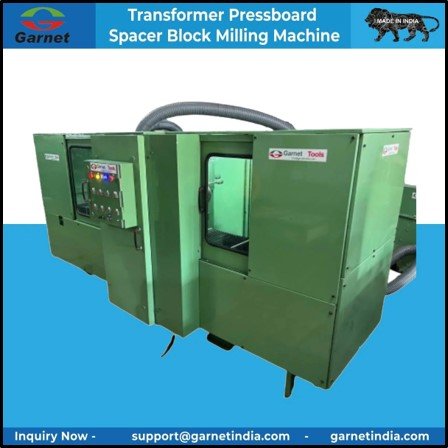
- Spacer Block Milling: Machining dozens of oil-flow channels into dense blocks simultaneously, ensuring absolute thickness uniformity down to a fraction of a millimeter.
Eliminating manual hand-scraping or sanding means your components maintain absolute geometric uniformity. The oil circulation channels remain clear, allowing cooling oil to move freely throughout the transformer core without running into any blockages.
Overcoming Strict Quality Audits with Automated Precision
Securing corporate or government supply contracts requires passing incredibly strict quality control audits. Inspectors routinely check insulation parts for microscopic burrs, moisture retention, and dimensional deviations. A pressboard transformer insulation machine provides the standardized automation needed to pass these checks every single time.
When the machine handles the clamping, feeding, and cutting paths through precise mechanical guides, human variation is removed from the equation. Your daily production output becomes completely predictable, allowing you to scale up manufacturing speeds without fearing a sudden surge in component rejections.
Action Plan for Upgrading Quality Standards
Transitioning your insulation shop floor toward modern automation requires a systematic evaluation of your current processing flaws.
- Audit your rejection logs: Pinpoint whether component failures during high-voltage testing are linked to rough surface finishes or uneven component thicknesses.
- Track processing times: Measure the labor hours spent manually chamfering, filing, and shaping individual pressboard components.
Securing Your Long-Term Market Reputation
In the heavy electrical manufacturing sector, your brand reputation is entirely built on field reliability. A single transformer failure in the field can ruin your corporate standing permanently. Investing in purpose-built, heavy-duty processing infrastructure is a strategic step toward guaranteeing zero-defect manufacturing.
Conclusion
Automating the handling and shaping of your cellulose components protects the integrity of your insulation system, slashes labor costs, and maximizes material usage. Transitioning to advanced industrial processing ensures your workshop stays competitive, compliant, and ready for high-voltage grid demands. Garnet India builds robust, high-precision industrial manufacturing apparatus explicitly engineered to handle tough insulation materials, helping factories achieve superior production accuracy and long-term product reliability.
Frequently Asked Questions
Why do standard woodworking tools fail when processing high-density cellulose materials?
Standard tools lack the extreme rigidity and specialized blade geometries needed for dense pulp materials, leading to friction heat, scorched fibers, and ragged edges.
How does a specialized edge-tapering system improve cylinder manufacturing?
It cuts a perfectly smooth, gradual taper along the edge of the sheet, allowing it to roll into a cylinder with a completely flush, seamless joint.
What causes structural weak points in heavy electrical insulation setups?
Variations in component thickness and small surface burrs create uneven pressure zones and air pockets, which break down under high voltage.
Can automated milling equipment improve the cooling efficiency of a system?
Yes, because it cuts completely uniform oil-flow channels into spacer blocks, ensuring unhindered cooling oil circulation across the core.