
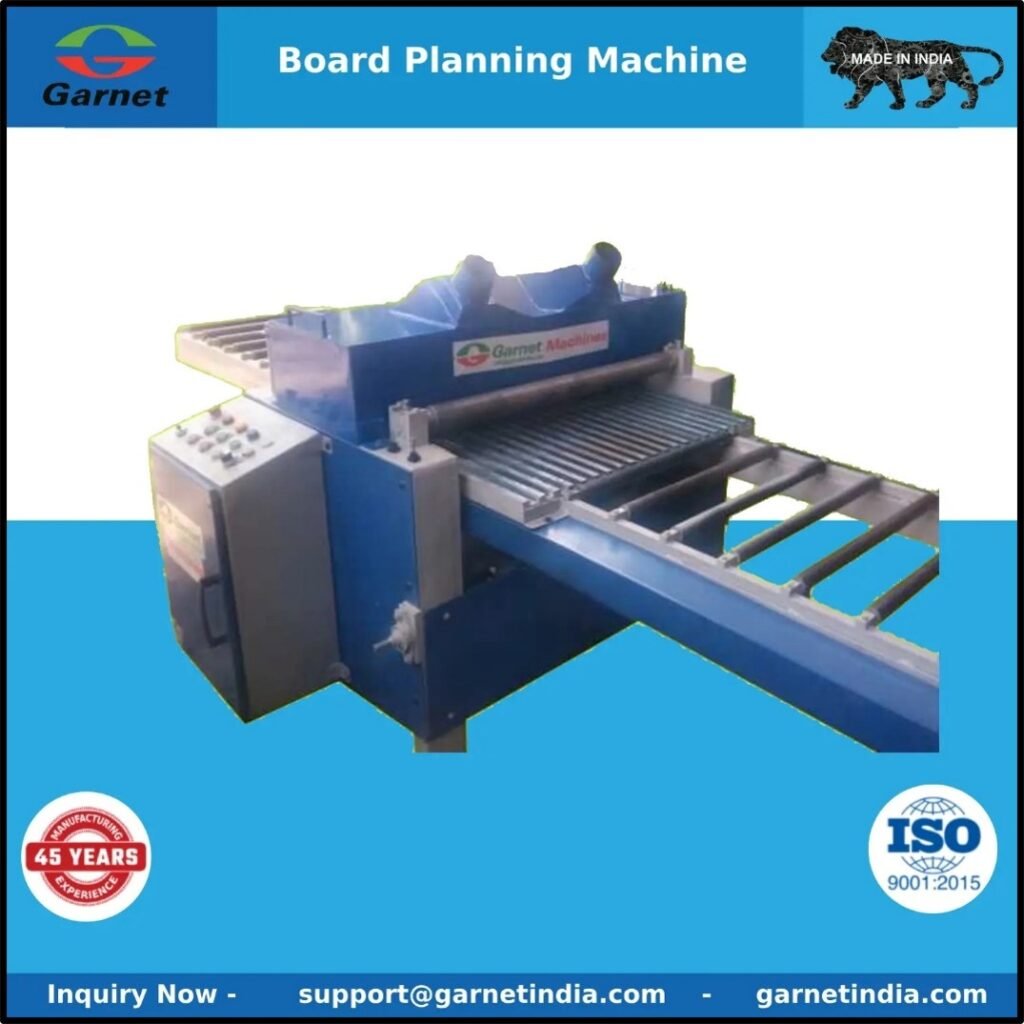
High-end interior designers pitch incredibly complex, one-of-a-kind furniture layouts to clients who willingly pay a premium for uniqueness. For the factory floor tasked with building these custom concepts, the initial excitement of winning the contract quickly dissolves into a scheduling nightmare. Standard catalog equipment handles standard square boards beautifully, but it hits a wall when faced with unusual angles, curved profiles, or unconventional joinery. Attempting to force bespoke design details through generic factory lines is why luxury projects frequently run weeks behind schedule. Relying on engineered special purpose wood working machines bridges the gap between wild design concepts and profitable, high-speed factory execution.
This blog details exactly how dedicated industrial units eliminate manual workarounds, protect premium material margins, and keep custom projects moving smoothly.
The Operational Drain of Manual Craftsmanship Workarounds
When a specialized furniture piece requires complex Grooving, specific multi-angle boring, or non-standard routing, managers typically assign their most skilled carpenters to handle it by hand. This reliance on manual workarounds creates an immediate operational drag. A master carpenter working with handheld routing tools takes hours to complete a single complex panel side that should take less than a minute.
The hidden danger here is consistency. Even the most talented artisan gets tired six hours into a demanding shift. A tiny slip of the hand on a premium veneered board or an expensive piece of solid timber destroys the material instantly. In bespoke manufacturing, where materials are often imported or custom-laminated, waiting days for a replacement panel completely derails the assembly schedule.
How Tailored Machinery Solves Specific Engineering Challenges
Dedicated manufacturing units approach production from the perspective of the finished piece rather than the limitations of a standard catalog. Instead of passing a single panel through three separate cutting, drilling, and shaping stations, specialized industrial setups combine these precise movements into a single mechanical cycle.
For example, when a workshop takes on a massive contract for acoustic wooden paneling or curved cabinetry, standard saws require operators to build makeshift wooden guide templates for every single cut. A dedicated setup removes the need for these templates entirely by locking the board into position and executing multi-directional cuts simultaneously.
The Clear Advantages of Dedicated Process Automation
- Zero template setup time: Operators no longer spend hours constructing temporary wooden jigs or readjusting machine fences manually between individual tasks.
- Flawless structural alignment: Because the board stays completely clamped in one position during multiple machining steps, the structural holes and grooves align with absolute precision.
By completing multiple steps under a single clamping action, you eliminate the minor surface scratches and corner dents that inevitably happen when laborers transport delicate parts across a busy factory floor.
Scaling Custom Production Without Increasing Labor Reliance
Finding experienced woodworking professionals who can execute complex technical joinery day after day is a growing challenge for modern factory managers. Integrating customised wood working machines solves this labor crunch by transferring the complex technical skill from the operator’s hands directly into the machine’s mechanical engineering.
A workshop assistant with basic training can safely load a pre-cut panel, initiate the automated cycle, and achieve flawless, factory-grade results every single time. This predictability allows factory owners to lock in firm delivery dates with commercial clients, knowing their daily production output is no longer vulnerable to human error or sudden labor shortages.
Action Plan for Evaluating Your Custom Production Needs
Modernizing a custom workshop does not mean replacing every piece of hardware overnight. It requires identifying the exact spots where your production line stalls.
- Audit the rework pile: Track exactly which decorative details or joinery steps cause the most material waste or manual sanding corrections.
- Calculate handling intervals: Measure the total minutes your team spends moving semi-finished parts backward and forward between different standard workstations.
Securing Long-Term Profits in Bespoke Manufacturing
Succeeding in the custom furniture market requires a factory floor that can switch from one unique design to another without killing its daily momentum. Standard machines are built for mass duplication, whereas custom projects require adaptive flexibility and multi-step efficiency. Utilizing purpose-built manufacturing setups keeps your workflow predictable, protects your profit margins on expensive raw materials, and ensures your finish quality justifies a luxury price tag.
Conclusion
Upgrading your workshop infrastructure to match your design ambitions turns complex architectural challenges into straightforward, highly profitable production runs. Garnet India engineers high-precision, specialized industrial machinery that removes processing bottlenecks and helps customized manufacturing plants scale up production seamlessly.
Frequently Asked Questions
What makes a dedicated industrial system better for custom furniture production than a standard machine?
A dedicated system combines several distinct operations like multi-angle drilling, slotting, and edge-shaping into one unit, removing the need for slow manual workarounds and separate setups.
How do specialized manufacturing units improve accuracy on complex panel shapes?
These systems hold the material firmly in a single position while multiple cutting heads work at once, which prevents the minor alignment shifts common when moving wood between separate machines.
Can custom-engineered hardware reduce the cost of producing bespoke architectural designs?
Yes, by eliminating hours of manual jig fabrication and drastically reducing material waste caused by human cutting errors, the cost per finished piece drops significantly.
Is it difficult for a standard workshop team to operate highly specialized industrial gear?
Not at all, as these units are engineered with intuitive control interfaces, allowing regular floor operators to run complex cutting cycles safely after brief foundational training.