
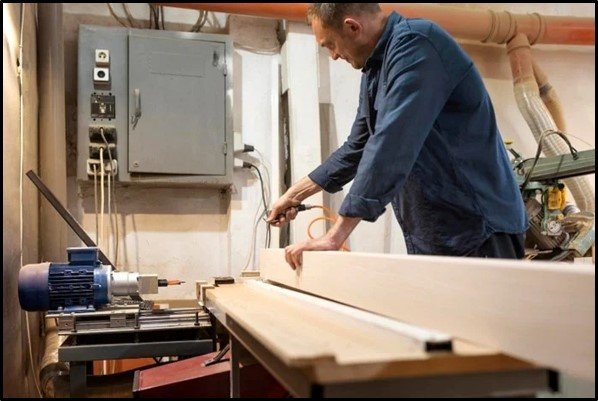
Every day, premium furniture brands charge a massive premium for a modular kitchen or wardrobe that essentially uses the same core plywood or MDF as budget alternatives. The massive price difference does not come down to the hidden boards inside, it comes down entirely to the seamless, flawless tactile touch of the outer edges. Customers shopping for high-end residential interiors notice the tiniest imperfections, especially sharp, snagging corners or ugly black glue lines running down the panel seams. Upgrading production capabilities to automatic edge banding with premilling and corner rounding setup changes the game entirely, allowing regular workshops to deliver premium, seamless finishes that completely eliminate manual touch-ups.
This blog explores exactly how modern advanced edge finishing technology upgrades your product value, hides raw panel flaws, and simplifies your manufacturing workflow.
The Hidden Enemy of Clean Edges: Rough Panel Preparation
Even the sharpest industrial sizing saws can leave tiny, microscopic imperfections on the raw edges of engineered wood. When a panel is cut, the blade can create tiny chips in the laminate or leave a wavy surface on the particleboard core. If you try to apply a thin PVC edge band directly over that raw cut surface, those tiny gaps and chips will trap excessive amounts of glue, creating an unappealing, thick dark line right under the surface laminate.
Advanced finishing units tackle this exact hurdle by using high-speed diamond trimming tools to shave off a fraction of a millimeter from the board edge right before applying any adhesive.
This aggressive pre-trimming action removes any swelling, moisture damage, or microscopic sawing ripples, leaving an absolutely flat, glass-smooth face for the PVC tape to bond against. The glue spreads out perfectly thin, the seam completely vanishes, and the final cabinet side looks like a single, solid slab of premium material.
The Engineering Behind the Touch: Eliminating Sharp Corner Snags
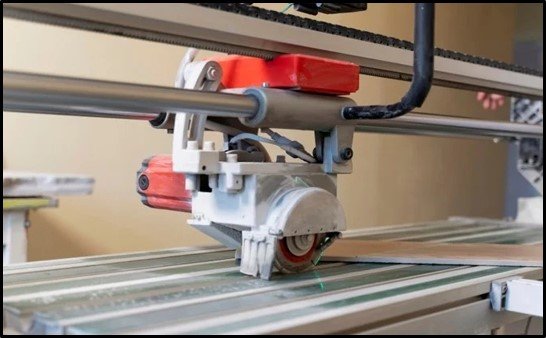
Applying edge banding tape down the straight length of a panel is relatively simple, but managing the spot where two straight edges meet at a sharp ninety-degree angle is where most furniture factories struggle. Traditional machines simply cut the tape flush at the ends, leaving a sharp, razor-thin plastic corner that can easily snag clothing, scratch skin, or peel away after a few months of intense use.
Dedicated shaping motors solve this by tracing the exact contour of the board corners automatically.
Why Mechanical Precision Trumps Manual Sanding
- Consistent Radial Shaving: High-RPM contouring tools smoothly round off the sharp corner intersections into a perfect, uniform radius in less than a second per panel.
- Flawless Multi-Side Continuity: The machinery tracks all four corners of a moving board seamlessly, producing identical, smooth results on every single part that passes down the belt.
Relying on workers to manually scrape and sand down these sharp corners with hand tools leads to inconsistent shapes and ruined panels. Automated contouring ensures every single cabinet panel leaving your workshop matches the pristine look of imported luxury furniture.
Slashing Post-Production Clean Up Labor
On a standard factory floor, an army of workers usually sits near the assembly station with hand scrapers, solvent bottles, and sandpaper, trying to clean up excess glue squeezing out of the seams or fixing uneven corners. This manual detailing station is a major operational bottleneck that slows down your delivery times significantly.
Advanced automated edge finishers combine gluing, end trimming, radial flush cutting, corner shaping, scraping, and cloth buffing wheels into one continuous, high-speed automated pass. By the time the operator catches the panel at the outfeed side of the machine conveyor, it is entirely clean, smooth, dry, and ready to go straight into the shipping box.
Simple Evaluation Plan for Factory Edge Finishing Quality
Evaluating your current factory edge quality requires stepping away from the machinery and inspecting your finished inventory through a customer’s eyes.
- The Fingertip Test: Run your fingers firmly over the finished panel corners to feel for any sharp points, micro-snags, or rough plastic lips.
- The Visual Line Inspection: Check your white or light-colored laminate inventory under bright light to see if a thick, dark line of dust-trapping glue is visible at the panel seams.
Securing Long-Term Furniture Quality
Building a highly profitable furniture brand requires a strong focus on long-term product durability. Cabinets used in high-moisture zones like kitchens or bathrooms will quickly swell and fall apart if moisture manages to creep through rough, poorly sealed edge tape seams. Automating your pre-trimming and corner contouring stages seals the wood core completely from humidity, ensuring your products maintain their premium structural integrity for decades.
Conclusion
True manufacturing growth relies entirely on deploying advanced, industrial systems that deliver premium quality consistently without increasing your floor labor overhead. Modernizing your edge-finishing department keeps your daily output fast, highly reliable, and ready to compete directly with premium global furniture manufacturers. Garnet India builds robust, high-performance industrial woodworking machinery designed to eliminate factory production bottlenecks and elevate final product finishing to premium market standards.
Frequently Asked Questions
What main advantages does advanced edge finishing hardware bring to a factory?
It completely automates panel edge preparation, precision hot-melt gluing, end trimming, radial corner contouring, and final polishing in a single fast pass.
How does a pre-trimming function help hide ugly glue lines on furniture?
It uses high-speed diamond cutters to shave away microscopic sawing imperfections right before gluing, allowing the tape to sit flush and creating a nearly invisible seam.
Why is automated corner contouring better than manual scraping and sanding?
Automated contouring uses high-RPM profiling tools to create a perfectly uniform radial curve on every corner, preventing human errors and inconsistent finishes.
Can automated edge finishing systems process high-gloss panels safely?
Yes, modern industrial systems feature specialized tracking rollers and non-marring scrapers designed to protect fragile high-gloss and acrylic surfaces from scratches.