
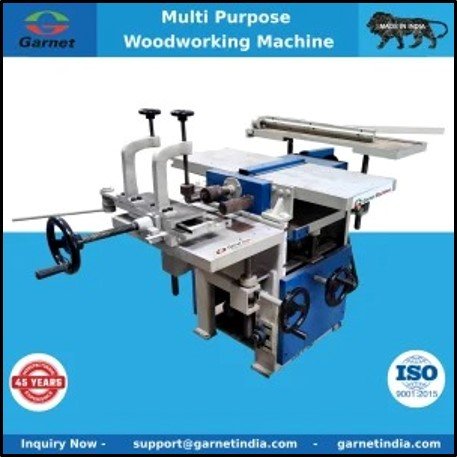
Every year, dozens of medium-sized furniture workshops in India quietly pull down their shutters. It is rarely due to a lack of orders or a sudden shortage of materials. Most of the time, the culprit is a hidden, creeping drag on the shop floor. Orders keep piling up on the manager’s desk, but the actual output slows down to a crawl. If your factory floor feels like a chaotic traffic jam during peak hours, you are likely dealing with classic production bottlenecks. Finding the right customised wood working machines to streamline these exact pain points is often the turning point between scaling up your business or closing down.
Let us look at exactly where these production delays hide and how the right technology gets everything moving again.
The Cost of Forcing Standard Machines into Unique Roles
Standard equipment is built for the average user, but almost no successful manufacturing plant is truly average. When a facility handles specialized tasks like curving intricate panels, processing rare hardwoods, or cutting specific grooves for modular fittings, standard gear requires manual workarounds. Workers end up creating makeshift wooden jigs or running the same piece of timber through three different machines just to get one finished profile.
Every single manual workaround introduces room for human error. A millimeter slip here or a slight tilt there results in a pile of rejected materials by the end of the shift. The real loss is not just the wasted wood; it is the valuable time your operators spend adjusting settings back and forth instead of actually pushing finished goods out the door.
Engineering the Bottleneck Out of the System
Tailored manufacturing units tackle production problems backward. Instead of looking at what a machine can do, engineers look at your final product and design a system to create it in the fewest steps possible.
For instance, consider a factory making specialized wooden frames that require simultaneous drilling, slotting, and edge-rounding. On standard gear, this takes three separate stations, three operators, and three times the material handling risk. A single piece of dedicated equipment combines these steps into one continuous motion.
Why Dedicated Engineering Trumps Generic Setup
When your machinery is built around your specific workflow, you unlock immediate operational advantages that directly impact your bottom line.
- Fewer processing steps: Raw timber goes into the feed section and emerges completely machined, skipping multiple intermediate staging areas entirely.
- Minimized floor space footprint: Combining several cutting, milling, or drilling actions into a single chassis frees up valuable floor space for raw material storage or assembly lines.
By removing the intermediate handling steps, you eliminate the scratches, dents, and dings that naturally happen when workers cart semi-finished parts across a busy floor.
Overcoming the Skilled Labor Shortage
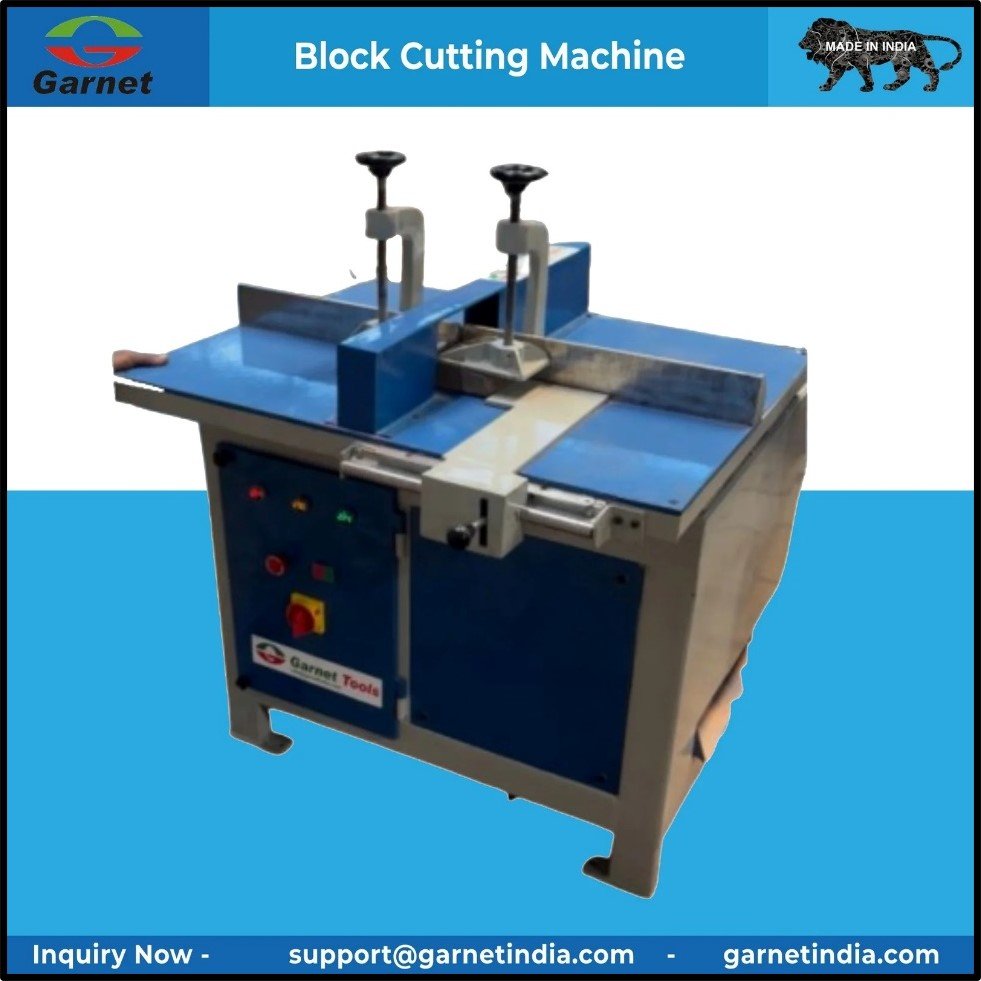
Finding and retaining highly skilled woodworkers who can manually execute complex cuts day after day is becoming nearly impossible. The beauty of Special Purpose wood working machines lies in their ability to embed that high-level carpentry skill directly into the iron and software of the equipment.
An operator with basic training can load a panel, press a single foot pedal or button, and let the machinery execute highly complex, repeatable sequences with perfect accuracy. The factory stops relying on the mood or skill level of an individual artisan, making daily production targets entirely predictable.
How to Assess Your Need for Tailored Equipment
Before looking for custom machinery, a quick internal audit helps clarify exactly where your factory is losing money.
- Track your material handling time: Calculate how many times a single piece of wood is picked up, moved, and set down before it is fully finished.
- Identify your highest rejection zone: Pinpoint the exact manufacturing step responsible for the majority of your scrapped or ruined components.
The True Return on Tailored Manufacturing Investment
The upfront cost of a bespoke industrial unit is often higher than buying a mass-produced model from a catalog. However, looking only at the initial price tag is a mistake. The true financial metric to watch is the cost per finished piece. When a single system replaces three standard units, cuts your labor requirements in half, and slashes material waste to near zero, the payback period is incredibly fast.
Conclusion
True factory optimization means building a production line around your specific business goals, rather than twisting your goals to fit generic hardware. Transitioning to purpose-built, automated infrastructure allows you to scale your manufacturing volume cleanly without sacrificing quality or breaking your budget. Garnet India specializes in developing these high-precision, tailor-engineered industrial systems, helping workshops overcome complex manufacturing hurdles and achieve peak floor efficiency.
Frequently Asked Questions
What are the main benefits of using custom-built industrial equipment over standard models?
Tailored equipment integrates multiple production steps into a single unit, significantly reducing part handling times, minimizing operator error, and maximizing material utilization.
How do tailored systems help reduce material waste in a factory?
Because the machinery is engineered specifically for your product dimensions and materials, it cuts with absolute precision, eliminating the mistakes and chips common with manual workarounds.
Can custom machinery help solve a lack of skilled floor labor?
Yes, by embedding complex operational paths and parameters directly into the machine design, relatively unskilled operators can safely produce highly intricate, flawless components.
Is bespoke industrial hardware difficult to maintain over time?
Not necessarily, since they are built using robust structural components and standardized internal parts, making regular maintenance straightforward for your existing technical crew.