
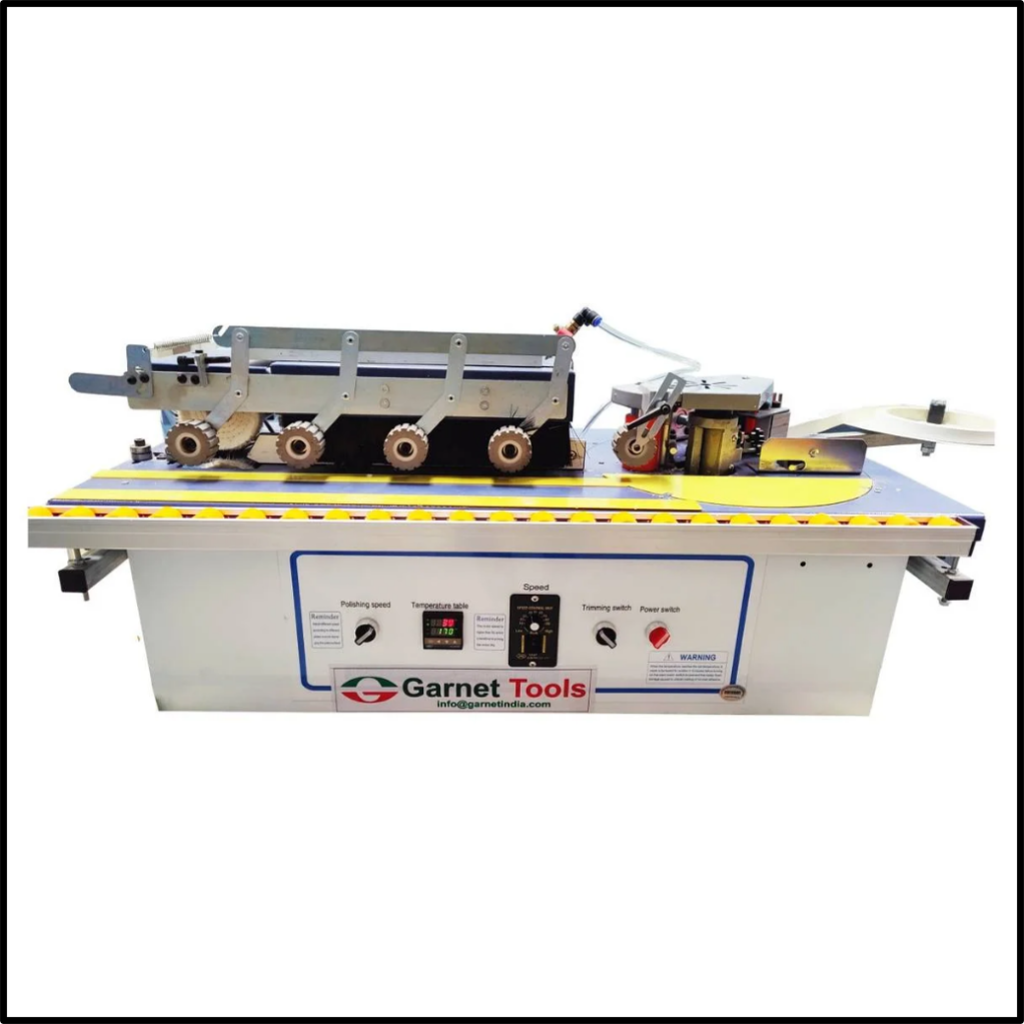
Every year, dozens of medium-sized furniture workshops in India quietly pull down their shutters. It is rarely due to a lack of orders or a sudden shortage of materials. Most of the time, the culprit is a hidden, creeping drag on the shop floor. Orders keep piling up on the manager’s desk, but the actual output slows down to a crawl. If your factory floor feels like a chaotic traffic jam during peak hours, you are likely dealing with classic production bottlenecks. Finding the right modular furniture machine to streamline these exact pain points is often the turning point between scaling up your business and closing down.
Let us look at exactly where these production delays hide and how the right technology gets everything moving again.
The Costly Truth of the Manual Processing Slowdown
When a factory transitions from traditional carpentry to modern manufacturing, the initial instinct is to rely heavily on manual labor for the fine-tuning. This is a trap. Manual measuring, hand cutting, and old school edge gluing might work fine when you are building two custom wardrobes a week. However, the moment you take on a commercial hotel contract or a massive residential project, the manual process completely breaks down.
The most common symptom of this bottleneck is piles of semi-finished boards stacked up near the cutting area. Laborers spend half their day measuring twice, cutting once, and then spending another ten minutes sanding down a jagged edge that should have been clean from the start.
The Crooked Cut and Sheet Wastage
You cannot build straight cabinets with boards that are even a millimeter off center. In modern furniture setups, accuracy is everything. A tiny error at the cutting stage multiplies by the time the piece hits the assembly line.
Many small shops start out using basic table saws. The operator pushes a heavy plywood or MDF sheet through a spinning blade by hand. The human hand shakes, the board slips slightly, and suddenly you have chipped edges or a panel that is not perfectly square.
Upgrading the Cutting Setup
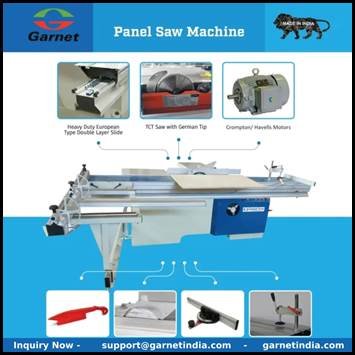
To fix this, factories upgrade to a dedicated Panel Saw Machine. These systems use a main blade combined with a smaller scoring blade that runs just ahead of it. The scoring blade cuts a tiny groove into the laminate first, preventing any chipping when the big blade slices through.
Using a proper sizing machine changes the game completely. The sheets stay firmly clamped down, a sliding table moves the material with absolute smoothness, and the cuts come out perfectly straight every single time. It cuts down your material waste by a massive margin because you are no longer throwing away ruined panels.
The Endless Edge Banding Backlog
Once your panels are cut cleanly, they move to the edge banding station. If your workers are still using handheld irons or manual glue pots to apply PVC tapes to the raw edges of plywood, this is your biggest time sink.
Manual edge gluing is slow, messy, and highly inconsistent. On a hot day, the glue dries too quickly. On a cold day, it does not set right. Within six months of delivery, the edges start peeling off at the customer’s house, destroying your brand reputation.
Automatic Edge Banders
An automatic edge banding unit takes a raw, freshly cut board and handles the gluing, taping, end trimming, and polishing in one continuous pass. What used to take a skilled carpenter fifteen minutes of tedious scraping now happens in about eight seconds. The finish is factory-grade, water-resistant, and perfectly flush.
Action Plan for Optimizing Your Floor
If you want to clear out the clogs on your production line today, do not try to overhaul everything all at once. Take a step-by-step approach to modernize.
- Audit the waste: Spend one full afternoon tracking exactly how many panels get thrown in the scrap bin due to bad cuts or poor edge finishes.
- Measure station speeds: Time how long it takes for a raw sheet to become a fully finished, ready-to-assemble cabinet side panel.
Conclusion
Investing in specialized industrial gear is not about replacing your workers. It is about giving them the tools to produce five times more without working themselves to exhaustion. When your cutting and edging departments run like clockwork, your assembly team stops waiting around and starts packing finished boxes.
Optimizing a factory requires looking honestly at where the work stops moving. Automating your edge finishing keeps your production line predictable, profitable, and ready for bigger market demands. Garnet India provides the heavy-duty woodworking equipment and industrial apparatus needed to eliminate these factory floor delays and scale up production seamlessly.
Frequently Asked Questions
What equipment is essential for setting up a modern automated furniture workshop?
It refers to specialized industrial equipment like sizing units, edge banders, and multi-boring systems designed to process engineered wood panels rapidly and accurately for cabinets.
Why is an industrial sizing unit necessary for high-volume manufacturing?
It ensures perfectly straight, chip-free cuts on laminated boards using a dual-blade system, which is impossible to achieve consistently with manual hand tools.
How does an automatic edge bander save production time?
It automates gluing, tape application, end cutting, flush trimming, and buffing in a single pass, doing in seconds what takes minutes manually.
What causes the most material waste in a furniture factory?
Inaccurate manual cutting and panel chipping are the leading causes of discarded boards and high material costs on the shop floor.