
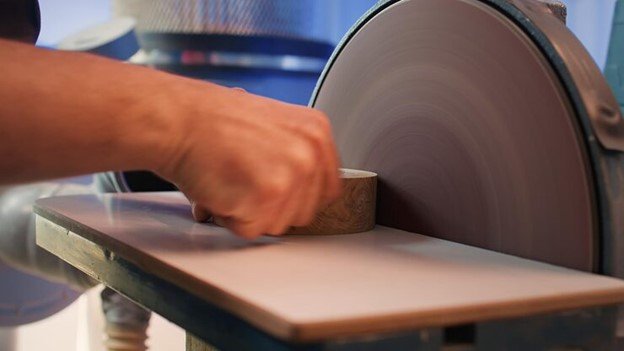
A furniture unit in Noida kept reworking panels. Edges looked fine at first, but under light, glue lines showed, corners felt rough, and polishing was uneven. The machine was not the problem. The setup was. Once they fixed their edge banding with trimming and buffing process, the finish improved almost immediately.
That’s the tricky part. Most edge banding issues are not about the machine being bad. They come from small settings, small misses. This blog breaks down what goes wrong and how to fix it.
What a “Perfect Finish” Actually Means
Clean edge. No visible glue line. Smooth touch. Corners aligned. That’s the goal. Sounds simple, but getting there consistently takes attention to detail.
Even advanced machines like automatic edge banding with premilling and corner rounding can produce poor results if the settings are off.
Common Reasons Behind Poor Edge Banding Finish
Problems usually show up in patterns. Once you notice them, fixing becomes easier.
- Visible glue lines or excess glue marks
- Chipping or rough edges after trimming
- Band not sticking properly to the panel
- Dull or uneven buffing finish
Each issue points to a specific adjustment. Random fixing rarely works.
Glue Application Issues
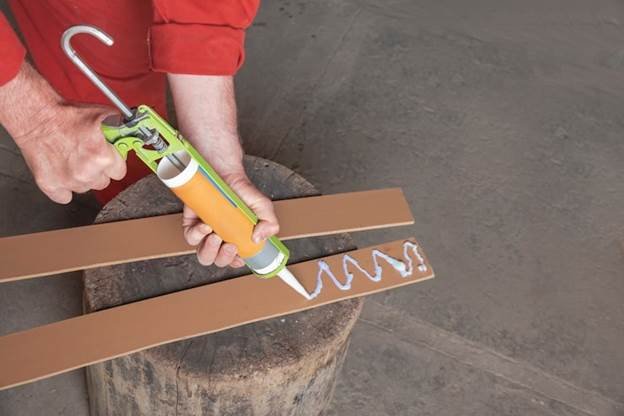
Glue is often the first culprit. In a hot melt glue edge bander, temperature plays a huge role. Too low, glue won’t bond properly. Too high, it burns or spreads unevenly. Glue quantity also matters. Too much creates visible lines. Too little leads to weak bonding. Clean glue pots regularly. Old glue residue affects consistency more than expected.
Panel Preparation Mistakes
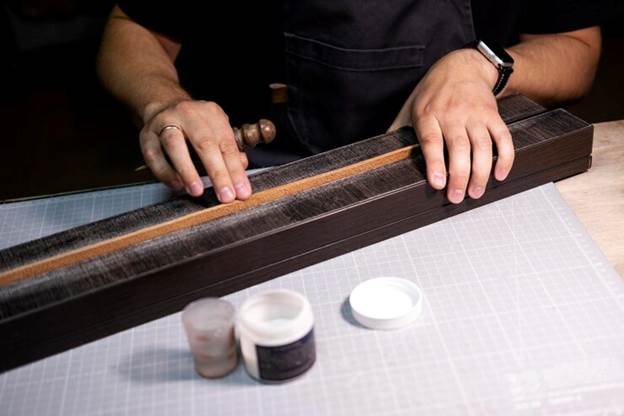
Edge banding starts before the band even touches the panel. Uneven panel edges create gaps. Dust or moisture weakens bonding. Machines with premilling units solve this by cleaning the edge before banding.
That’s why automatic edge banding with premilling and corner rounding systems gives better consistency. Skipping this step often leads to repeated finishing issues.
Trimming and Buffing Problems
Finishing units define the final look. Blunt trimming tools cause chipping. Misaligned cutters leave uneven edges. Buffing units need proper pressure and speed. Too much pressure burns the surface. Too few leaves make it dull. Edge banding with trimming and buffing only works well when both units are properly aligned and maintained.
Machine Settings That Need Attention
Small adjustments can fix big problems. Feed speed affects glue bonding. Faster speeds may reduce glue contact time. Pressure rollers must be set correctly. Too tight damages the band. Too loose causes gaps. Temperature settings should match the glue type, not just default values. Regular checks help avoid sudden quality drops.
Real Workshop Case
A modular furniture unit in Ahmedabad faced recurring edge issues. They replaced glue, adjusted rollers, and even blamed material quality. The real issue was a worn-out trimming blade.
Once replaced, finish quality improved instantly. No major changes. Just one small fix. That’s how subtle these problems can be.
Quick Fix Checklist That Actually Works
- Check glue temperature and consistency daily
- Clean panel edges before feeding into the machine
- Inspect trimming tools for wear and alignment
- Adjust pressure rollers based on material thickness
Following these basics solves most edge banding problems without major changes.
When Machine Upgrade Becomes Necessary
Sometimes the issue is not just settings. Older machines without premilling struggle with modern laminated boards. High-volume production setups often need advanced systems with corner rounding and better automation.
Upgrading to an automatic edge banding with premilling and corner rounding system improves consistency, especially for modular furniture production.
Small Habits That Improve Finish Over Time
Consistency comes from routine, not one-time fixes. Regular cleaning prevents glue build-up. Checking alignment weekly avoids sudden errors. Operator training also matters. Skilled handling often makes more difference than machine specs. Even the best machine fails due to poor operation.
Conclusion
Edge banding problems are frustrating, but they are rarely complicated. Most issues come from glue settings, panel preparation, or finishing units. Fixing these areas brings immediate improvement. Edge banding with trimming and buffing needs balance.
Not too much pressure, not too little. Not too fast, not too slow. Understanding your machine matters more than upgrading it.
For businesses looking for reliable machines and consistent finishing performance, Garnet India is a name worth considering.
FAQs:
1. Why is my edge banding machine leaving glue marks?
This usually happens due to incorrect glue temperature or excess glue application in a hot-melt glue edge bander.
2. What is edge banding with trimming and buffing?
It is a process where excess band material is trimmed and polished to achieve a smooth and clean finish on panel edges.
3. How does automatic edge banding with premilling and corner rounding help?
It improves edge preparation and finishing by cleaning panel edges before banding and rounding corners for a smoother look.
4. How often should I maintain my edge banding machine?
Regular cleaning and weekly checks of glue, blades, and alignment help maintain consistent performance.