
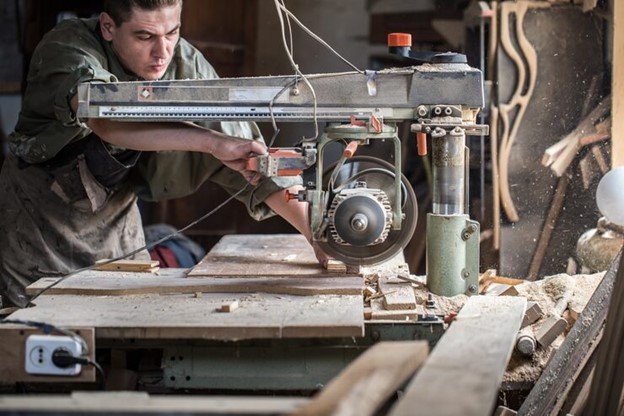
Production issues often begin at the cutting stage. A factory can have skilled labor, good materials and even strong demand, yet struggle with output because the cutting process is inconsistent. The wrong Panel Saw Machine quietly creates waste, delays, and frustration across the floor.
This blog clears the confusion. It explains what actually matters when selecting the right machine, based on real factory needs, not just specs on paper.
Why Panel Saw Selection Impacts Your Entire Workflow
Cutting is not an isolated process. It connects to edge banding, assembly, and finishing. A slight error here multiplies later.
Factories that upgrade to the right machine often report:
- Cleaner cuts with less rework
- Faster turnaround on bulk orders
- Better material utilization
These improvements may seem small individually, but together they change overall productivity.
Understanding Machine Types Before You Decide
A clear understanding of machine types avoids expensive trial and error.
Sliding Panel Saw
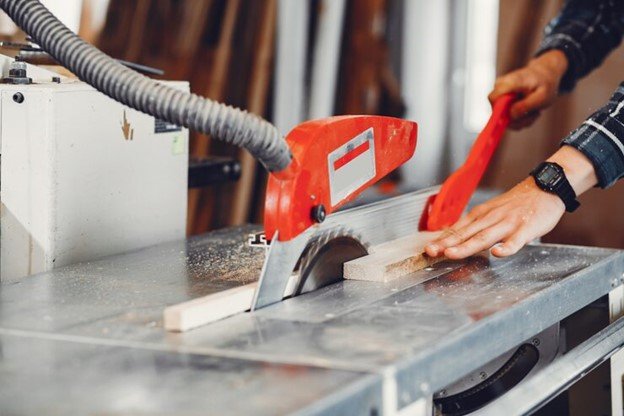
A Sliding Panel Saw works with a moving table that pushes the board across the blade. It offers control and accuracy, especially useful in setups where flexibility matters. This type fits workshops that are growing and need precision without full automation.
Heavy Duty Panel Saw
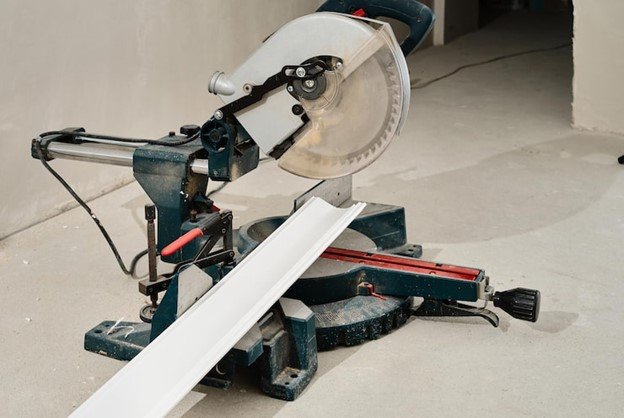
A Panel saw heavy duty machine, is built for continuous operation. It handles thick boards, long shifts, and high output without performance drop. Large factories rely on these machines when volume is non-negotiable.
Key Factors That Should Guide Your Decision
Production Volume
Production demand should always lead the decision. Machines must match workload, not the other way around.
Accuracy and Finish Quality
Precision cutting reduces problems later. Poor accuracy increases edge damage and affects final assembly.
Machine Strength and Build
A stable structure reduces vibration. Less vibration means cleaner cuts and longer blade life.
Factory Layout
Space matters more than expected. A machine that fits physically may still disrupt workflow if movement around it is restricted.
Features That Actually Add Value
Many machines offer similar specifications, but real-world use tells a different story.
- Smooth sliding mechanism for consistent movement
- Reliable fence system for repeat accuracy
- Easy adjustments for blade height and angle
These details often decide whether operators work efficiently or struggle throughout the day.
Where Most Buyers Go Wrong
Mistakes usually come from rushing the decision or focusing on the wrong priorities.
- Choosing based only on price
- Ignoring future production increase
- Not checking service and support availability
These issues don’t show immediately, but they surface once production pressure builds.
Real Factory Experience That Changes Perspective
A furniture unit once upgraded to a sliding setup is expected to be used long-term. Within months, demand increased. The machine handled the workload, but only just. Operators had to slow down to maintain accuracy.
The shift to a heavy-duty system later solved the issue, but the extra investment could have been avoided with better planning at the start.
How to Choose the Right Machine Step by Step
Check your daily cutting volume, not just current orders, but expected growth. Understand the materials you work with regularly. Thickness and density matter.
Evaluate operator skill. Some machines require more experience to handle effectively. Think beyond today. Machines should support expansion, not limit it.
Sliding vs Heavy Duty Panel Saw: What Fits Better?
Sliding machines offer flexibility and precision for moderate workloads. Heavy-duty machines deliver consistency and endurance under pressure. The choice depends on how your factory operates today and where it plans to be in the next few years.
Practical Advice from the Shop Floor
Machines don’t solve problems alone. The right selection does.
- Visit a working setup before buying
- Observe operator comfort and workflow
- Check how easy maintenance actually is
Ease of use often becomes more important than advanced features over time.
Conclusion
Selecting the right panel saw is a decision that shapes your production efficiency for years. The focus should stay on alignment between machine capability and factory needs. Power, size, and price matter, but only when they match real requirements.
Planned factories run with less trouble and produce more, experiencing fewer interruptions. Rushers tend to incur unnecessary delays.
For businesses aiming to improve cutting efficiency with dependable machinery, Garnet India offers solutions built around real manufacturing needs.