
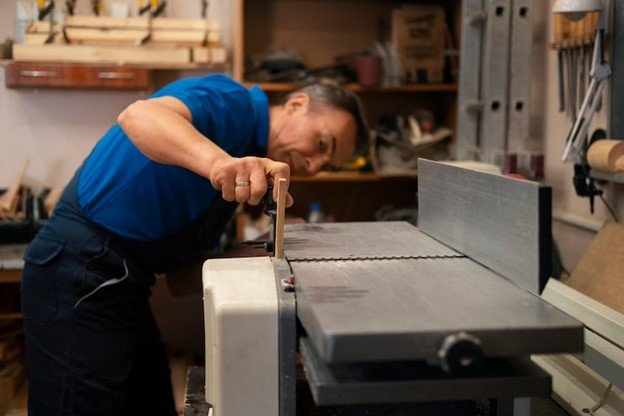
A workshop owner in Rajasthan once said something simple but sharp, Machines don’t make money. The right machine does. Choosing between a manual edge banding machine and an automatic one often decides how fast, how clean, and how profitable your production becomes.
This blog clears the confusion. No fluff. Just real, usable insight based on how these machines perform in actual workshops.
What an Edge Banding Machine Really Handles
Edge banding is not just about sticking tape on a board. It’s about the finish quality. The kind that customers notice without knowing why.
A machine typically handles:
- Glue application
- Tape pressing
- Edge trimming and smoothing
Differences start showing when speed increases and consistency becomes non-negotiable.
Manual Edge Banding Machine: Simple, Direct, Still Relevant
Manual machines are not outdated. They serve a purpose, especially where flexibility matters more than speed.
A small custom furniture unit usually prefers this setup. Each piece is different. Each edge needs attention.
Work involves feeding the panel, applying edge tape, and finishing it with hands-on control. Human involvement can be an advantage when working on unique designs.
Where it works best
- Small workshops with limited daily output
- Custom furniture makers handling varied designs
- Businesses working on tight budgets
Speed is not its strength. Consistency depends on skill. But control remains unmatched.
Automatic Edge Banding Machine: Speed Changes the Game
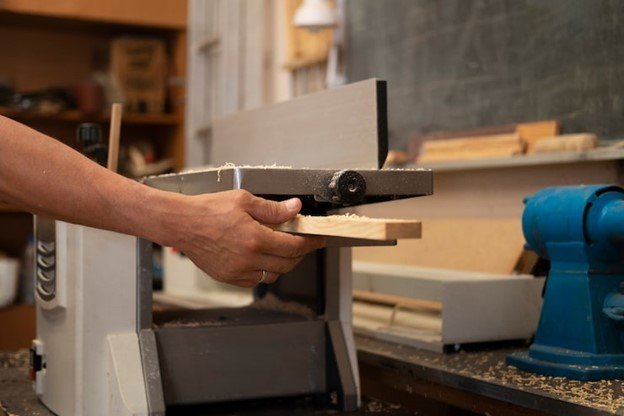
Automation brings rhythm to production. Panels move in, finished boards come out. Almost like a production line you don’t have to chase.
An automatic edge banding machine handles multiple steps in one go. Glue, pressing, trimming, polishing. Everything aligned.
Factories producing modular kitchens or office furniture rely on this. Deadlines are tighter. Output needs to stay consistent.
Why businesses switch to automatic
- Faster processing for bulk orders
- Clean, repeatable finish on every panel
- Less dependency on highly skilled labor
Initial investment feels heavy. But once production scales, the cost balances out through efficiency.
The Middle Ground: Mini Edgebander
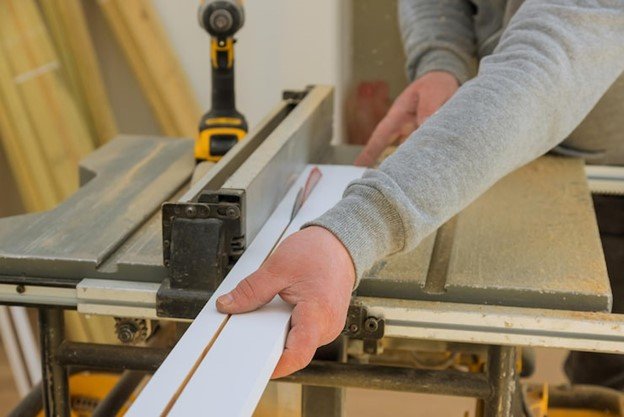
Not every workshop is ready for full automation. That’s where a mini edgebander steps in.
Compact. Practical. Less intimidating. It works well for businesses growing out of manual work but not yet handling industrial volumes. Space constraints also push many toward this option.
Manual vs Automatic: What Actually Matters
Comparisons often get reduced to price vs speed. That’s only half the story. Manual machines offer flexibility. Automatic machines offer consistency.
A workshop producing 15 boards a day doesn’t need automation. A factory pushing 200 panels daily can’t survive without it. Decisions should match real workload, not assumptions.
How to Decide Without Overthinking It
Start by looking at your current workflow. Not future dreams. Not competitor setups. Just your real numbers.
- Daily production volume should guide the choice
- Labor availability matters more than most expect
- Long-term growth plans should influence investment
Skipping this basic check often leads to wrong purchases. And that mistake shows up months later, not immediately.
What Experience Teaches Over Time
A furniture unit in Delhi was upgraded to an automatic machine after repeatedly missing delivery deadlines. Production improved. Stress reduced. Customers stayed.
Another workshop in Udaipur stayed with manual machines, focused on premium handcrafted furniture, and built a strong niche market. Both decisions worked because both matched the business model.
Cost vs Value: What You Really Pay For
Price tags can mislead if looked at in isolation. A manual edge banding machine feels lighter on the pocket, no doubt. But cost is not just what you pay upfront. Time, labor, rework, and finish quality quietly add up in the background. Automatic machines look expensive on day one, yet they start recovering value through faster output and fewer errors. Mini edgebanders sit in a safer zone for those testing growth without overcommitting. The smarter approach is to measure cost per finished panel, not just machine price. That small shift in thinking often changes the final decision.
Common Buying Mistakes to Avoid
- Choosing automatic machines too early without enough workload
- Ignoring training and maintenance needs
- Expecting instant returns without adjusting workflow
These are not rare cases. They happen more often than expected.
Conclusion
There’s no universal winner here. A manual edge banding machine gives control and affordability. An automatic edge banding machine delivers speed and consistency. A mini edge bander sits comfortably in between for growing setups.
The right choice depends on where your workshop stands today and where it realistically plans to go next. That clarity matters more than any feature list.
For businesses looking to align machine choice with actual production needs, companies like Garnet India continue to support that shift with practical, industry-focused solutions.
FAQs
1. What is the difference between a manual edge banding machine and an automatic edge banding machine?
A manual machine requires hands-on operation for most steps, while an automatic machine completes processes like gluing, trimming, and finishing with minimal manual input.
2. Is a mini edgebander suitable for small workshops?
Yes, a mini edgebander works well for small to mid-sized workshops that need better efficiency but are not ready for full automation.
3. Which edge banding machine is better for custom furniture work?
A manual edge banding machine is often better for custom work because it allows more control over each piece.
4. When should a business invest in an automatic edge banding machine?
Investment in an automatic edge banding machine makes sense when production volume increases and consistent quality becomes essential for meeting demand.