
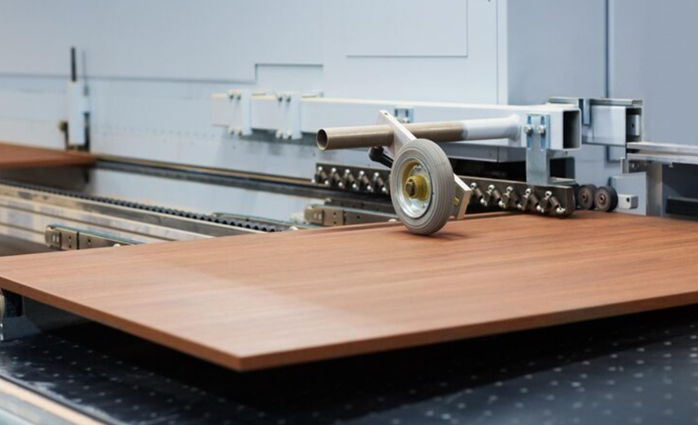
Attaining clean edges and a long-lasting finish is a key factor in the production of modern furniture particularly when dealing with plywood and MDF boards. Automatic edge banding machine assists manufacturers of furniture to apply protective edge materials with ease to enhance the outlook and strength of the furniture panel. Furniture manufacturers, modular kitchen producers, and units of woodworking count on the high-level equipment that helps them achieve the consistency, minimize the number of mistakes made by hands, and retain the pace of production.
The article describes the edge banding technology and how it enhances the production of plywood and MDF furniture and the practical uses of the technology in the workshop, and why automated mechanisms are becoming more significant with modern-day woodworking activities.
Why Edge Banding Is Important in Furniture Manufacturing
Modular furniture is mostly made of plywood and MDF boards due to their strength, cheapness, and moldability. Nevertheless, the thin sides of these boards are exposed to water and chipping.
Edge banding is a solution to this issue because it involves wrapping the open panel edges with a protective band of material. This strip does not only serve as a protective to the board but also improves the end result of the furniture.
Some important functions of edge banding include:
- Protecting board edges from moisture and damage
- Improving the visual finish of furniture panels
- Increasing durability and product lifespan
In the case of cabinets, wardrobes or modular furniture manufactured by furniture companies, edge banding would help the final product to appear professional as well as lasting in long term usage.
Advantages of Using an Automated Edge Banding System
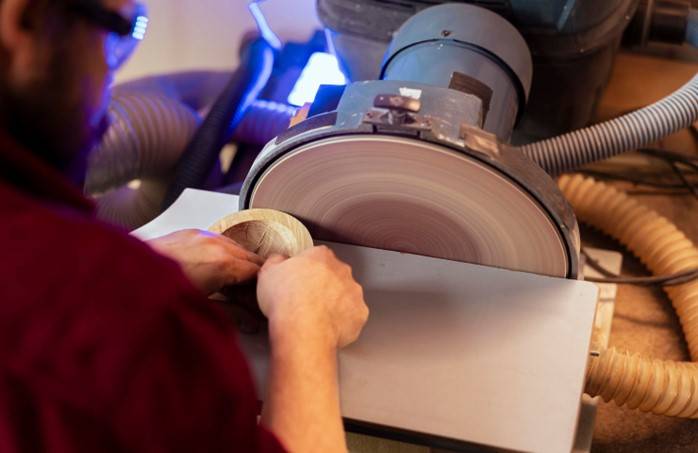
Modern woodworking facilities prefer automated machines because they deliver consistent quality and reduce manual effort. An Automatic edge banding with premilling and corner rounding system takes the process even further by preparing and finishing edges in a single workflow.
Premilling eliminates upper levels of irregularity prior to banding allowing the edge tape to bond evenly. The panel corners are then rounded and the furniture looks polished.
Key benefits of automated edge banding systems include:
- High production efficiency for large furniture batches
- Uniform edge finishing across all panels
- Reduced manual labor and operator fatigue
The machines are also beneficial because they assist manufacturers to uphold high standards of production that is significant when the company is engaged in producing modular kitchens, office furniture, and interior panels.
Improving Bond Strength with Hot Melt Technology
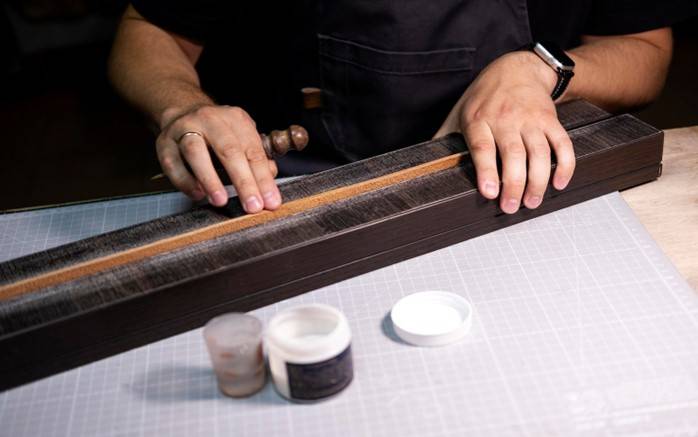
The adhesive with which the edge tape is bonded to the board is one of the most sensitive parts of edge banding. A Hot melt glue edge bander involves adhesive thermoplastic, which melts during high temperatures, and forms a solid bond when cooled down.
Hot melt technology offers several advantages in woodworking production:
- Strong adhesion between edge tape and panel surface
- Fast drying time, allowing continuous production
- Clean bonding lines with minimal glue visibility
Since the MDF and plywood panels are widely used in the production of modular furniture, the powerful adhesive bonding process is needed so that the edge tape can be fixed on the panel even during the daily wear and environmental alterations.
Quality Finishing with Trimming and Buffing
Edge banding is not only the process of affixing edge tape. Total process can involve cutting, scraping and polishing a smooth finish.
After the application of the tape, trimming units cut out the unnecessary material on the top and bottom sides. Buffing wheels then polish the surface to remove glue residue and improve the overall finish.
These finishing processes ensure:
- Smooth panel edges without rough surfaces
- Professional appearance suitable for premium furniture
- Reduced need for manual sanding or correction
For manufacturers producing decorative furniture, finishing quality plays a major role in customer satisfaction and product value.
Efficiency Gains for Furniture Workshops
Woodworking workshops are usually subject to difficulties regarding productivity, labor cost and quality control. Edge banding systems are automated and are used to solve these problems by integrating several processes into a single machine.
Manufacturers benefit in several ways:
- Faster production cycles with reduced downtime
- Lower material waste during processing
- Consistent output regardless of operator skill level
This makes automated edge banding especially valuable for furniture manufacturers producing large quantities of cabinets, modular kitchen units, or office furniture panels.
Applications in Plywood and MDF Furniture
Edge banding machines are used across many types of furniture manufacturing processes. Their ability to create clean and durable edges makes them essential for modern woodworking production lines.
Common applications include:
- Modular kitchen cabinets and wardrobes
- Office desks and storage furniture
- Decorative wall panels and shelves
Because plywood and MDF are widely used materials, reliable edge finishing helps manufacturers improve both structural strength and visual quality in finished products.
Choosing the Right Edge Banding Equipment
The choice of the correct machine will be based on the size of production, the size of the panel, and the finishing needs. Small workstations can operate on small systems, whereas big plants are equipped with completely automated machines of production.
Factors to consider when choosing equipment include:
- Production capacity and speed requirements
- Types of edge tape materials used
- Level of automation needed for finishing processes
Investment in quality equipment can assist manufacturers to ensure steady quality production in an effort to keep up with the increasing demand of modular and customized furniture.
Conclusion
The edge banding plays a significant role in improving the plywood and MDF furniture with regards to quality, durability and appearance. Automation systems assist manufacturers to simplify the manufacturing process, attain a high finishing accuracy, and create high bonding between edge tape and panels. Contemporary edge banding technology is used in the production of furniture to produce efficient furniture, and at the same time, it preserves professionalism, starting with premilling, all the way to trimming and polishing.
Advanced equipment provided by Garnet India can meet the needs of modern production, which may be seen as the solution in the case of woodworking companies that need to enhance efficiency and the quality of their products.
Are you planning to upgrade your woodworking machinery for better furniture finishing?
FAQs
Q.1 What does an edge banding machine do?
An edge banding machine uses edge protective tape on plywood or MDF panels to enhance the durability, appearance and moisture or damage resistance.
Q.2 Why is edge banding important for MDF furniture?
MDF edges are porous and they are able to absorb moisture easily. These edges are sealed with edge banding which avoids swelling of these edges and enhances the overall duration of furniture.
Q.3 What materials are used for edge banding?
Depending on the design and use of the furniture, the material commonly used in edge banding would be PVC, ABS, wood veneer, and melamine strips.
Q.4 Can edge banding machines improve furniture production efficiency?
Yes, Automated machines minimize the amount of work previously done by hand, increase panel handling rate, and provide uniform finishing quality on large batches of furniture production.