
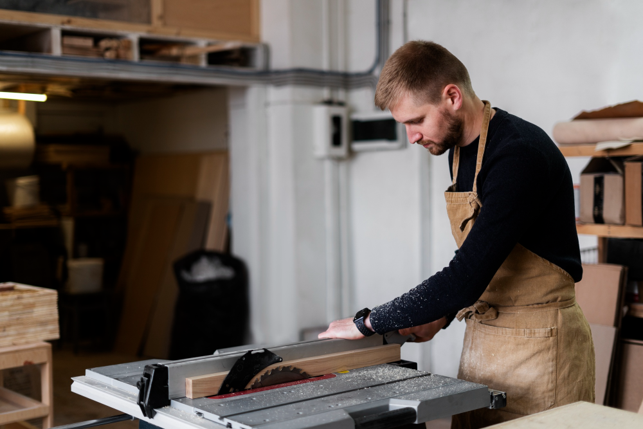
A cabinet maker in Surat once tried cutting large laminate sheets on a standard table saw, wrestling the panel across the blade alone, and ended up with a slightly wavy edge that ruined an otherwise good piece of furniture. That single mistake cost him the panel, the client’s patience, and an afternoon he didn’t have to spare. A Sliding Table Saw Machine exists specifically to prevent this exact scenario, and understanding why it matters so much for panel work helps explain its place in nearly every serious furniture workshop today.
Why Standard Saws Struggle With Large Panels
Regular table saws were designed with smaller workpieces in mind: cabinets, trim, general carpentry cuts. Large sheet material behaves differently, and forcing it through a standard saw setup introduces problems that become obvious the moment you inspect the finished edge.
Where standard saws typically fall short with panel material:
- Difficulty maintaining a straight feed across a large, heavy sheet
- Increased risk of kickback due to insufficient support surface
- Inconsistent cut lines caused by manual panel handling alone
- Physical strain on the operator, particularly with oversized boards
None of this makes standard saws poor tools generally; they simply weren’t built for the specific demands that panel cutting places on both machine and operator.
Why Panel Weight and Size Change Everything
A four-by-eight-foot sheet of plywood or MDF weighs considerably more than the smaller stock most table saws were designed around. Supporting and guiding that weight accurately, without a dedicated sliding mechanism, genuinely challenges even experienced operators, no matter how careful they try to be.
How Sliding Mechanisms Solve This Problem
The sliding table itself is the defining feature that separates this machine category from standard saw setups, and understanding its function clarifies why precision improves so dramatically.
What the sliding table mechanism actually provides:
- Stable, guided panel movement across the blade, rather than relying on manual pushing
- Consistent feed speed, reducing the inconsistency that manual handling introduces
- Reduced physical strain on the operator, particularly during repetitive cutting runs
- Improved safety, keeping hands further from the blade throughout the cutting motion
This mechanism essentially removes the guesswork and physical unpredictability that comes with manually guiding large, heavy material through a stationary cutting setup.
Why Repeatability Matters So Much in Furniture Production
A single accurate cut means little if the next twenty panels don’t match it precisely. Furniture production depends heavily on identical, repeatable dimensions across multiple pieces, cabinet doors, shelving units, drawer components, all needing to align correctly during final assembly. Sliding mechanisms make this consistency achievable in a way manual cutting genuinely struggles to match.
Precision Features Worth Understanding
Beyond the sliding mechanism itself, several additional features contribute directly to the precision this machine category is known for.
Features that genuinely enhance cutting accuracy:
- Digital angle and measurement displays, reducing reliance on manual measurement alone
- Rip fence systems ensuring consistent width across multiple cuts.
- Scoring blade options, preventing chip-out on laminate or veneer surfaces
- Adjustable blade tilt for angled cuts without repositioning the entire panel
A panel cutting machine equipped with these features handles both straightforward rip cuts and more complex angled work without sacrificing the accuracy furniture manufacturing genuinely demands.
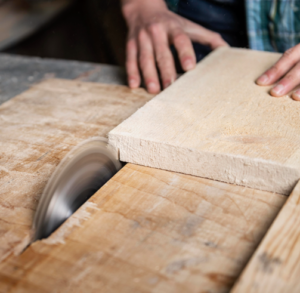
Why Scoring Blades Matter for Laminate and Veneer Work
Cutting laminate or veneer covered panels without a scoring blade often results in visible chipping along the top surface, exactly the kind of flaw that undermines an otherwise well finished piece. A scoring blade makes a shallow pre-cut before the main blade passes through, preventing this chip-out almost entirely.
Choosing the Right Sliding Table Saw for Your Workshop
Not every model suits every workshop equally, and understanding your specific production needs helps narrow down genuinely appropriate options.
Factors worth considering during selection:
- Maximum panel size your typical production regularly requires
- Available floor space, since sliding tables need adequate clearance.
- Daily cutting volume, influencing whether manual or automated feed suits better
- Budget realistically balanced against genuine precision requirements.
A small workshop cutting occasional panels has different needs than a factory processing bulk orders daily, and matching machine capability honestly to actual demand prevents both overspending and underestimating requirements.
Floor Space Considerations Often Overlooked
The sliding table itself requires considerably more floor space than the saw’s footprint alone suggests, since the table needs room to extend fully during the cutting motion. Workshops sometimes underestimate this requirement, only realising the constraint after installation day arrives.
Safety Considerations Specific to This Machine Type
Given the size and weight of material this equipment handles, safety features deserve particular attention beyond just cutting accuracy alone.
Safety elements worth prioritising:
- Blade guards that remain effective throughout the sliding motion
- Emergency stop functionality easily accessible from the operator position
- Adequate training on proper panel loading and support techniques
- Clear workspace around the machine, avoiding obstruction during table extension
Operator training matters particularly here, since even a well-designed machine cannot fully compensate for careless handling of large, heavy panel material during the cutting process.
Maintenance Practices That Preserve Precision
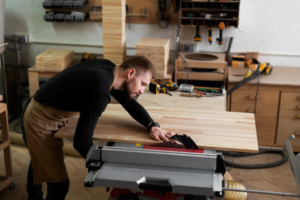
Regular maintenance directly affects how long a sliding table saw maintains its original cutting accuracy.
Routine maintenance worth building into weekly schedules:
- Cleaning of sliding rails to prevent dust buildup affecting smooth movement
- Regular blade sharpness checks, since dull blades compromise clean cutting
- Calibration verification for angle and measurement display accuracy
- Lubrication of moving components according to manufacturer recommendations
Neglecting rail cleaning specifically tends to introduce resistance in the sliding motion over time, subtly affecting cut consistency in ways that aren’t always immediately obvious to the operator.
Making the Right Investment Decision
Choosing a sliding table saw ultimately comes down to honestly matching your production volume and panel size requirements with genuine build quality, rather than simply selecting based on price or brand recognition alone.
Conclusion
A sliding saw table machine solves the genuine precision challenges that standard saws struggle with when handling large panel material, offering the stability, repeatability, and safety that furniture production demands consistently. Understanding these mechanisms and features helps buyers choose equipment that genuinely serves their workshop’s daily needs. At Garnet India, we help manufacturers select sliding saw table machines built for reliable, precise panel cutting, backed by support that keeps production running smoothly.
Frequently Asked Questions
Why is a sliding table saw considered better than a standard saw for panel cutting?
The sliding mechanism provides stable, guided movement for large panels, improving both cutting accuracy and operator safety compared to manual handling on a standard saw.
Does a scoring blade genuinely make a difference for laminate panels?
Yes, a scoring blade prevents chip-out on the top surface of laminate or veneer material, significantly improving finish quality compared to cutting without one.
How much floor space does a sliding table saw typically require?
Requirements vary by model, but workshops should account for the table’s full extension length, which often exceeds the machine’s stationary footprint considerably.
What maintenance most affects long-term cutting precision?
Regular cleaning of sliding rails and consistent blade sharpness checks matter most, since neglecting either gradually affects both movement smoothness and cut accuracy.