
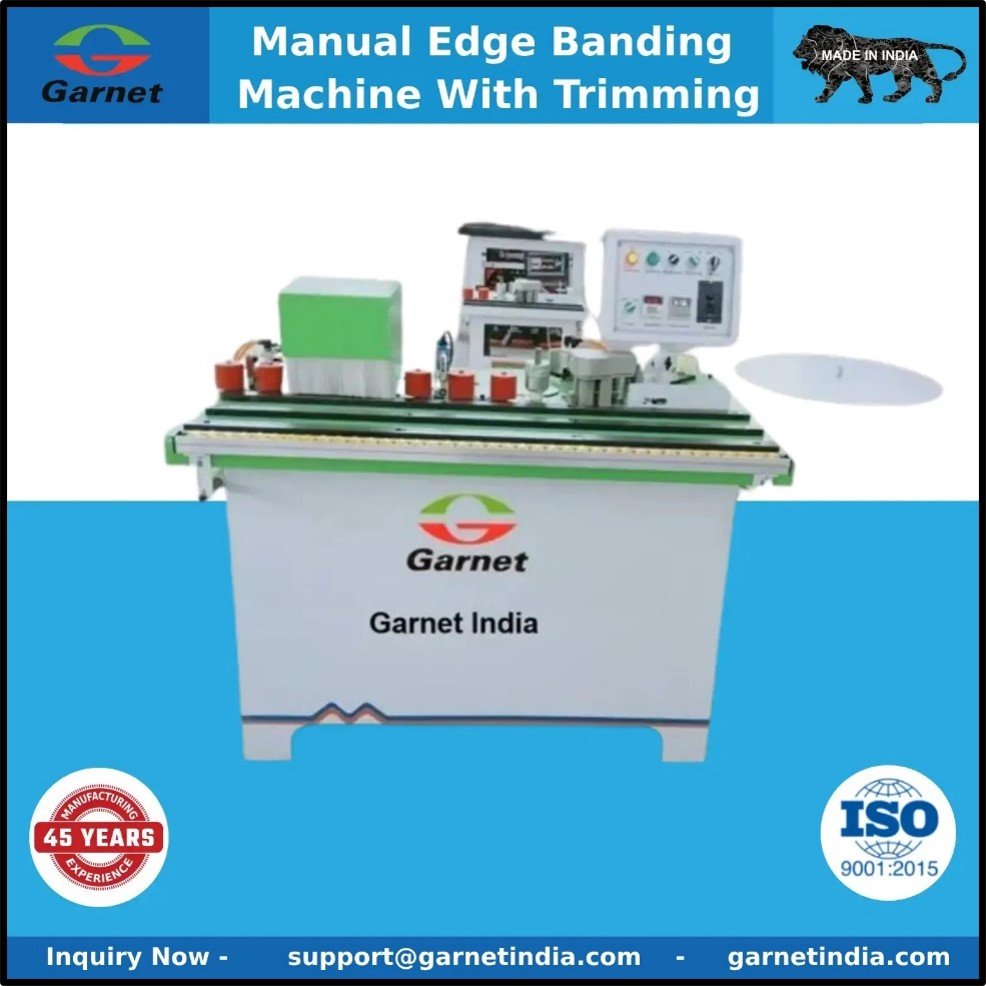
Many growing workshops hit a strange ceiling where taking on more orders actually makes them less profitable. A team of talented carpenters works late shifts, the sawdust flies, and yet the number of finished cabinets leaving the loading dock barely budges. The primary bottleneck is usually hiding right at the finishing station where raw panel edges get covered. Relying on a standard manual edge banding machine works perfectly fine for a handful of custom wardrobes, but it quickly becomes a massive drag when trying to scale your production numbers.
Recognizing when your production volume has outgrown hand-fed tools is the most important step toward protecting your sanity and expanding your business margins.
Sign 1: The Peeling Tape and Client Complaints
Quality control failures are the first major warning indicator that your current finishing methods are failing. Applying PVC or veneer tapes by hand requires a perfect mix of temperature, feed speed, and manual pressure. If the operator moves a fraction too slowly, the hot-melt glue cools down before bonding properly, leading to weak spots that pull apart months down the line.
When a client calls to complain about loose edging on an installed kitchen unit, the cost to repair it wipes out the initial profit margin entirely. Moving past hand-fed processing stops this issue by ensuring uniform pressure and temperature across every single millimeter of the panel face.
Sign 2: A Growing Pile of Scraped Panels Near Assembly
Walk across your floor and count how many finished boards are sitting in the rework pile because someone slipped with a hand tool. Trimming excess tape manually with a utility knife or a hand plane requires an incredible amount of focus and fine motor skill. After four or five hours of continuous shifting, even the most experienced carpenter gets tired.
A single deep slip of a hand blade slices right through the decorative laminate layer, instantly turning an expensive piece of pre-cut plywood into worthless scrap.
Sign 3: Edge Finishing Takes Longer Than Panel Cutting
Your shop floor should flow smoothly from one station to the next without material stacking up like a traffic jam. Modern sizing systems can cut through dozens of sheets an hour, but if your edging team takes ten minutes to glue, flush-cut, and scrape a single panel, the whole rhythm breaks down.
Operational Reality Check on Processing Speeds
- Hand-Assisted Gluing: Requires separate steps for gluing, manual tape trimming, end cutting, and scraping, which balloons your overall production time.
- Continuous Through-Feed Gluing: Automatically executes all trimming, finishing, and polishing tasks simultaneously in less than ten seconds per piece.
Watching semi-finished boards pile up around your workers is a clear sign that your finishing station simply cannot keep pace with your high-speed cutting machinery.
Sign 4: Extreme Dependence on Niche Artisans
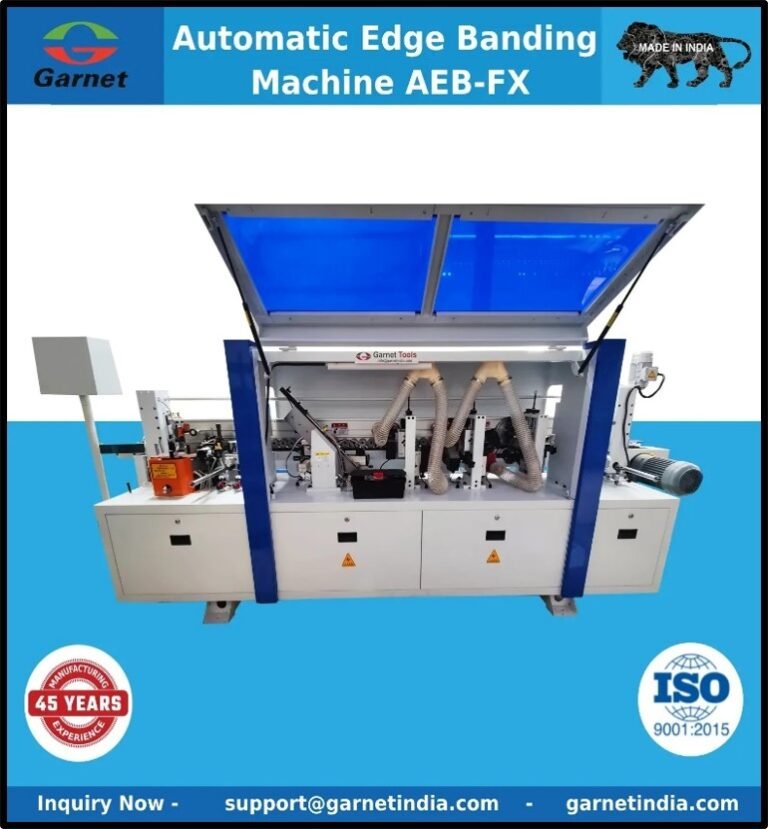
Relying entirely on one or two highly skilled workers to keep your business running is an incredibly risky way to operate a factory. If your production capacity plummets the moment a specific team member takes a day off, your workflow is far too dependent on manual skill.
Upgrading to an industrial automatic edge banding machine embeds that delicate finish work directly into a mechanical system. An entry-level operator can easily feed a panel into the belt and achieve a flawless, commercial-grade edge every single time, making your daily output completely predictable.
Action Plan for Upgrading Your Production Line
Transitioning toward automated finishing setups does not require overhauling your entire workshop layout overnight.
- Log your repair hours: Track exactly how much time your workers spend fixing bad edges or scraping away messy glue squeeze-out each week.
- Calculate your true capacity: Determine how many fully finished panels your team can realistic produce in a single eight-hour shift without running into quality errors.
Establishing Long-Term Workshop Scalability
Modernizing your manufacturing infrastructure is not about replacing the human element of craftsmanship; it is about freeing your team from repetitive, exhausting tasks. Automating your finish line protects your brand reputation from costly field failures, eliminates material waste, and lets you quote on large-scale commercial contracts with total confidence.
Conclusion
Clearing out the finishing bottleneck stabilizes your daily operations and transforms your factory into a smooth, high-output business machine. Investing in robust, automated finishing hardware turns a chaotic workshop into an efficient production environment capable of steady growth. Garnet India builds durable, high-precision industrial woodworking systems that remove these exact floor delays and dramatically boost manufacturing productivity.
Frequently Asked Questions
What are the main signs that a workshop needs to upgrade its edge finishing equipment?
Frequent client complaints about peeling tape, high scrap rates from manual knife slips, and material piling up between cutting and assembly are the most common signs.
How does automated finishing machinery improve the overall durability of furniture?
Automated systems apply hot-melt glue at precise temperatures and press the tape down with consistent mechanical force, creating a completely uniform, water-resistant bond.
Can a small workshop operate through-feed finishing equipment efficiently?
Yes, modern compact through-feed units are designed specifically to give smaller workshops high-speed, flawless finishes without taking up massive amounts of floor space.
What types of edge tapes can industrial through-feed systems handle?
These systems easily process a wide variety of edge materials, including PVC, ABS, natural wood veneers, and thick solid wood strips.