
The Hidden Cost of Cheap Woodworking Machines: What Manufacturers Don't Calculate
Every workshop owner knows that sweet, sweet feeling of finding a total bargain. You are browsing equipment online or at a trade show, and boom. There it is. A machine that promises the same output as a premium model but costs half the price.
It is incredibly tempting, right? Especially when cash flow feels a bit tight or you are trying to scale up a modular furniture line as fast as possible. Buying cheap woodworking machinery seems like a clever little shortcut to higher profit margins.
But here is the cold, hard truth. The sticker price of a machine is only a tiny fraction of what it actually costs you over its lifespan.
When you purchase budget factory equipment you are pretty much signing up for an expensive, long-term relationship with downtime, Customised wood working machines. The true cost of a machine does not show up on the initial invoice. It sneaks into your monthly electricity bills, your growing scrap pile and your compromised workplace safety.
The Precision Penalty: Material Waste and Rework
Let us talk about build quality. Cheap machines simply lack structural rigidity. They are built with much lighter frames and lower-grade bearings that love to shake and vibrate under heavy loads. If your business relies on cutting large sheets of plywood or MDF, a tiny bit of vibration changes everything.
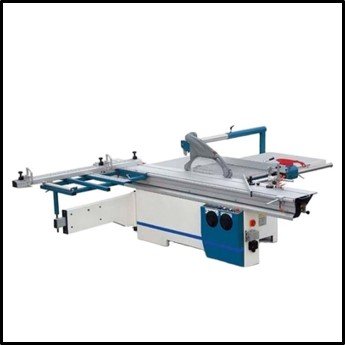
Take a standard Panel Saw Machine as an example. If the sliding table has even a single millimeter of play, your cuts will not be perfectly square. You might not notice it on one single piece. But later, when your workers try to assemble a modular kitchen cabinet, the edges will not align. The laminate will chip, the joints will gape, and your premium clients will reject the final product.
This leads to some massive, hidden expenses:
- Ruined Raw Materials: Chipped laminates and off-spec boards cannot be saved. They go straight into the trash bin.
- Wasted Labor Hours: Your skilled operators spend double the time measuring, adjusting, and re-cutting pieces just to fix machine errors.
- Adhesive and Edging Waste: Edge banding a poorly cut panel requires extra glue and a ton of manual sanding to hide the flaws.
Over a single year, the cost of ruined plywood and extra labor easily outpaces the money you saved by choosing the cheaper machine. High-quality machinery delivers repeatable precision. That means your first cut is identical to your thousandth cut.
The True Cost of Factory Downtime
In manufacturing, your revenue is directly tied to your uptime. When a cheap machine breaks down, the whole assembly line grinds to a sudden halt.
And guess what? Budget machine suppliers rarely keep a robust inventory of spare parts. You might find yourself waiting weeks for a specific custom bearing or a replacement motor to ship from overseas.
While that machine sits idle, your overhead costs do not stop. You still have to pay your factory rent. You still have to pay your workers’ salaries and your electricity base rates. Even worse, your delivery schedules slip. Missing a delivery deadline destroys your reputation with interior designers and contractors, which, honestly, is the hardest asset to rebuild in this industry.
Investing in robust machinery means investing in reliable components that tolerate long working shifts without overheating.
The Need for Tailored Solutions
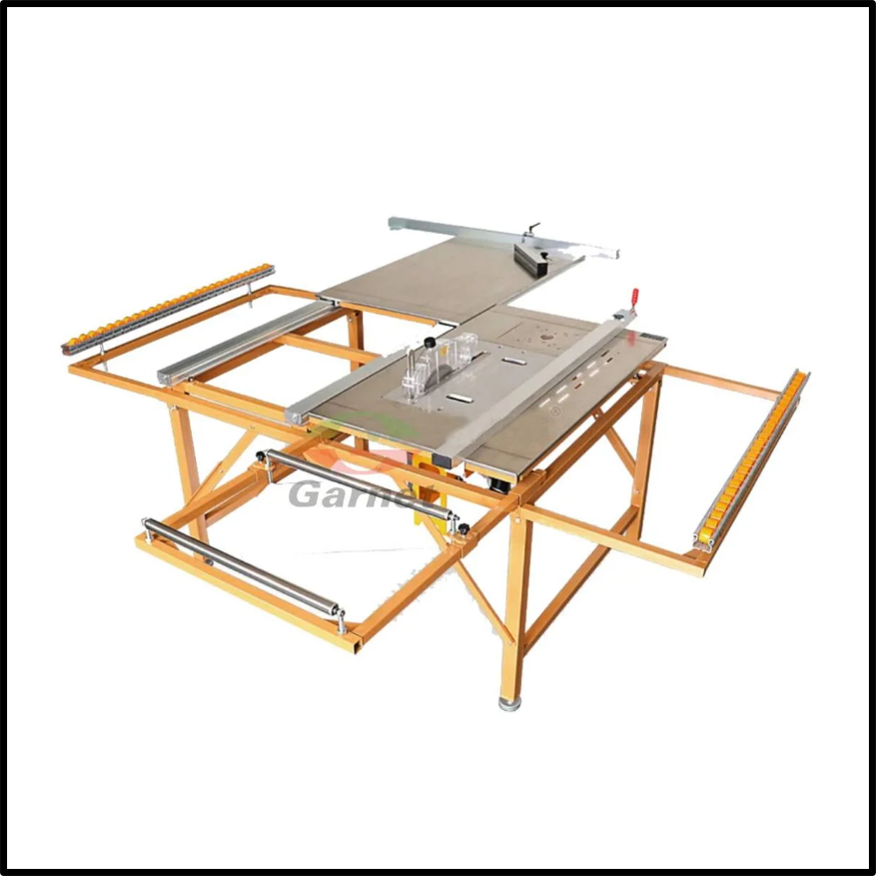
Every single factory floor has its own unique workflow. Standard, mass-produced budget machines force you to adapt your entire production process to their limitations. This is where the value of customized woodworking machines becomes obvious.
When a machine is engineered specifically for your exact product dimensions, material weights, and factory layout, it eliminates unnecessary handling steps.
Cheap, one-size-fits-all machinery often requires extra operators just to feed materials or support heavy panels, which drives your operational costs sky-high. Tailored engineering ensures optimal motor power and frame strength, giving you maximum efficiency without paying for features you do not need.
The Safety and Lifespan Deficit
Budget machines frequently cut corners on safety features and power efficiency. Poorly shielded blades weak dust extraction ports and unreliable emergency stops put your workforce at serious risk. Workplace injuries cause immense human suffering, and they also result in costly legal liabilities, fines and severe production delays.
Furthermore a cheap machine wears out fast. A heavy-duty, cast-iron machine can easily run smoothly for decades with basic maintenance. A flimsy alternative will likely need a complete replacement in three to five years. You end up paying for two or three cheap machines in the timeframe that one good machine would have easily covered.
Conclusion
Making a smart machinery investment is about looking at the total cost of ownership over five or ten years, not just the upfront price. When you are ready to upgrade your workshop with reliable, high-precision engineering, look to the experts at Garnet India to find the right heavy-duty tools for your business.
Frequently Asked Questions
What is the average lifespan of a high-quality Panel Saw Machine?
A well-built, heavy-duty panel saw constructed with a rigid frame and premium guide rails typically lasts between 10 to 15 years with regular maintenance. Cheaper alternatives often show significant precision loss within the first two years of intensive industrial use.
Why should I invest in customised wood working machines instead of standard models?
Customised machines are engineered to fit your specific production volume, material types, and workshop space. They eliminate bottlenecks, reduce the number of operators needed, and ensure your components are processed with zero manual workarounds.
How does machine vibration affect modular furniture manufacturing?
Vibration causes micro-deviations during cutting and edge banding. This results in chipped edges on laminates, uneven panel sizes, and weak joints, making it impossible to assemble seamless, high-end modular furniture.
Is it difficult to find spare parts for budget woodworking equipment?
Yes, budget manufacturers often cut costs by using non-standard components or failing to provide long-term after-sales support. This can leave your factory stranded for weeks waiting for custom parts during a breakdown.