
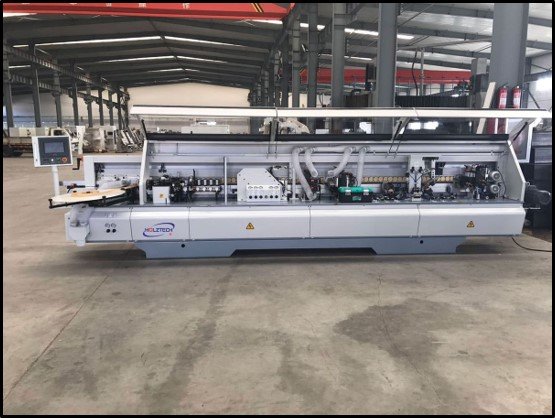
Every single day, thousands of square meters of premium plywood and particleboard go to waste in Indian manufacturing hubs. It does not happen at the cutting table. The real bleed occurs at the very end of the line, right where the raw edge meets the laminate. A tiny gap of exposed core a smudge of glue, or a chipped corner can instantly turn a high-end modular kitchen cabinet into unsellable factory scrap.
Many factory managers think they are saving money by sticking to manual gluing methods or using outdated edge banding machine setups. The reality is quite different. Poor edge finishing is a silent profit killer that eats away at margins through constant rework, client rejections and warranty claims. This blog breaks down exactly why these finishing errors cost so much money and how modernizing your workshop setup stops the financial leak.
The Hidden Costs of Poor Edge Finishing
Once a customer enters the showroom, the joints automatically attract the attention of the eyes. A modular kitchen or office desk is used intensively on a daily basis and as such the edges bear the brunt of wear and tear. When a wet piece of material finds its way into a poorly sealed edge the whole panel is filled and ruins the piece of furniture both inside and outside.
- Rework & Material Waste: 15% to 20% increase in daily production costs.
- Post-Installation Complaints: Expensive transit costs for replacements.
- Damaged Brand Reputation: Loss of high-ticket B2B interior contracts.
Manual edge application relies too heavily on the steady hand of a laborer. On a Monday morning, the work might be perfect. By Friday afternoon, fatigue sets in. This inconsistency leads to uneven glue distribution loose tape and visible black lines that make expensive boards look cheap.
Why Manual Methods Are Draining Your Profits
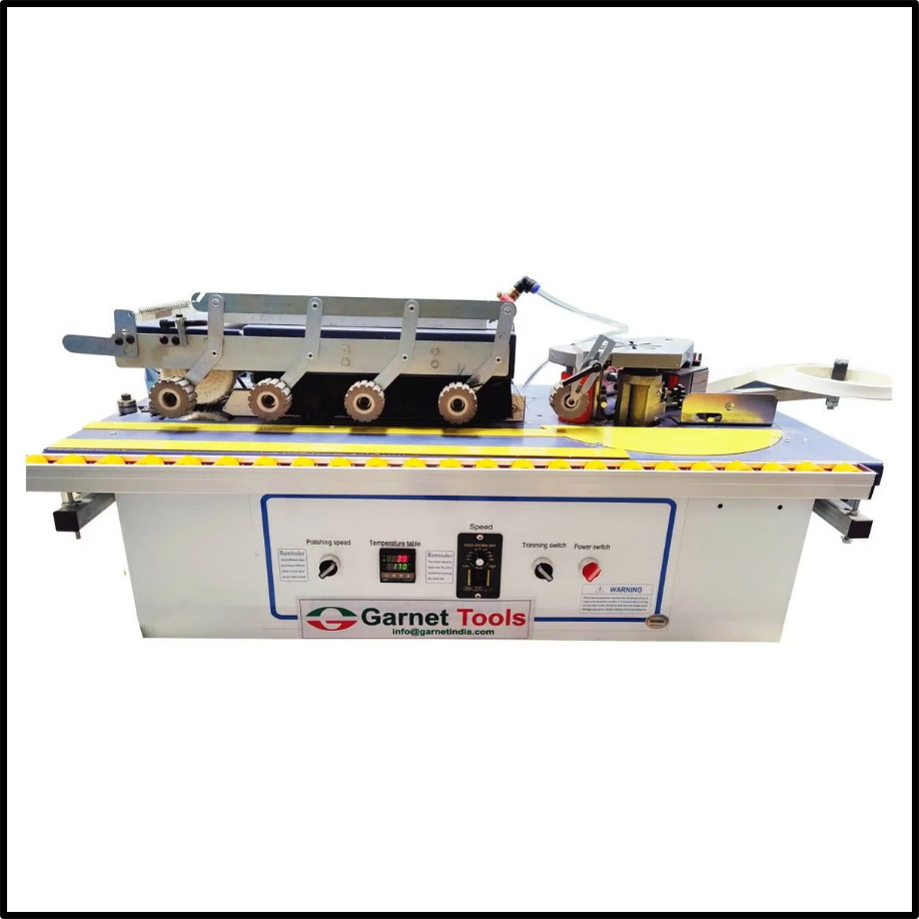
Using hand-operated tools or basic hot-melt glue rollers introduces too many variables into production. Here is how manual finishing processes actively drain your factory budget:
- Slower Production Speeds: A manual workshop takes hours to finish what a mid-sized automatic line handles in minutes. This creates a massive bottleneck right before the packing station.
- Excessive Glue Waste: Hand application often leads to over-gluing. This means workers spend extra time scraping off dried residue, which can scratch the laminate surface.
- Higher Labor Expenses: Instead of growing your business, you end up paying multiple workers just to trim, scrape and buff edges by hand.
If your factory handles more than fifty panels a day relying on manual labor for edge finishing is no longer a viable business model. The market demands speed consistency and a seamless zero-joint look.
How to Fix Your Edge Quality Issues
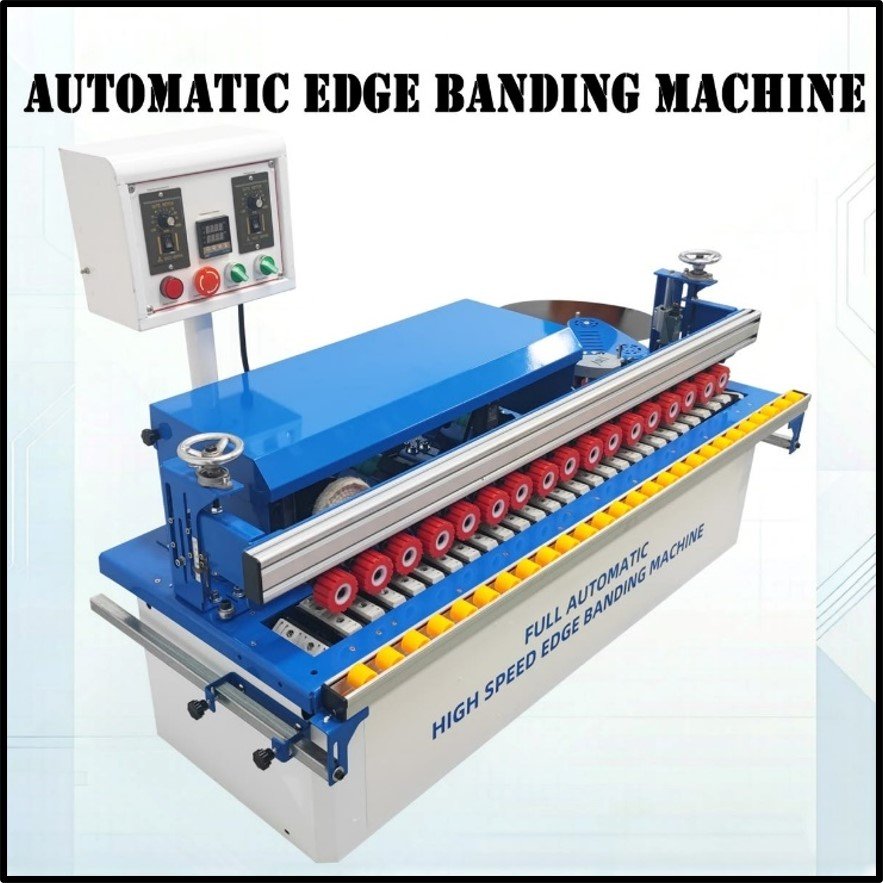
The fastest way to fix poor finishing is to automate the process. Moving to an automatic edge banding machine removes human error from the equation entirely. These machines incorporate pre-mills, gluing, end-cutting, fine-trimming and buffing in a single continuous run. Seeking to advance your workshop, take into account the following actions that need to be undertaken to obtain an impeccable result:
- Check the Pre-Milling Unit: This aspect removes small chips left behind by the panel saw and the panel edge of the board is made perfectly flat before glue is applied.
- Monitor Glue Pot Temperatures: When the hot-melt glue is not hot enough, the tape will peel off in the future. When it becomes overheated, the glue burns and gives a dark and ugly line.
- Verify the Trimming and Buffing Stations: The excess tape is removed using high-speed cutters that trim the excess tape to the height of the board and the radiused edge is cleaned with buffing wheels to give it a smooth feel.
It may appear that investing in dependable machinery would be a high initial cost, but the payback period is very short. The upgrade will end up paying for itself in a few months of continuous running by saving on material waste and decreasing labor hours.
Choosing the Right Setup for Your Workshop
A huge, industrial-scale production line is not a requirement of every factory. Smaller to medium-sized workshops may commence with a small, semi-automatic system, capable of doing simple gluing and trimming. Nonetheless, when the modular kitchens or commercial office fit-outs are high volume in your order book, then a fully automatic edge banding machine is a necessity.
Seek machines that are constructed with sturdy frames and thus absorb vibrations. Large steel frames ensure that there is no misalignment when using long production shifts so that your cutting and trimming units remain highly calibrated over years of service.
Conclusion
It is the finishing quality that makes the difference between profitable furniture factories and those which barely make ends meet. Low edges will result in discarded batches, material waste and dissatisfied customers. An automated upgrade would mean that every panel is perfect off your shop floor with a clean, moisture-resistant seal. To investigate a healthy assortment of accuracy woodworking machinery that is created to be long-lasting and capable of producing a large volume, find out the industrial products produced by Garnet India.
Frequently Asked Questions
What is the main benefit of an automatic edge banding machine over manual methods?
An automatic machine ensures absolute consistency and high production speeds. It performs gluing, tape cutting, end trimming, and buffing in a single automated pass, eliminating human error and drastically reducing material waste on the factory floor.
Why do edges peel off after a few months of furniture use?
Peeling usually happens because of incorrect glue pot temperatures or poor pressure roller adjustment during production. If the glue is applied too cold, it fails to bond deeply with the board core, causing the tape to lift when exposed to humidity or daily wear.
Can a compact edge banding machine handle thick PVC tapes?
Yes, most modern compact and industrial models are designed to handle a variety of edge materials, including 0.4mm to 3mm thick PVC, ABS, and natural wood veneers. You just need to adjust the trimming cutters to match the specific thickness of the tape.
How does proper edge finishing prevent moisture damage in modular kitchens?
A high-quality machine applies a continuous, tight bond of hot-melt glue along the entire perimeter of the panel. This seamless seal completely blocks ambient moisture and water splashes from penetrating the inner particle board or MDF core, preventing swelling and rot.