
Breakdowns rarely happen out of nowhere. Most machines give small signals first. A strange sound. Slight vibration. Reduced accuracy. Many workshops ignore these signs until the repair bill shows up.
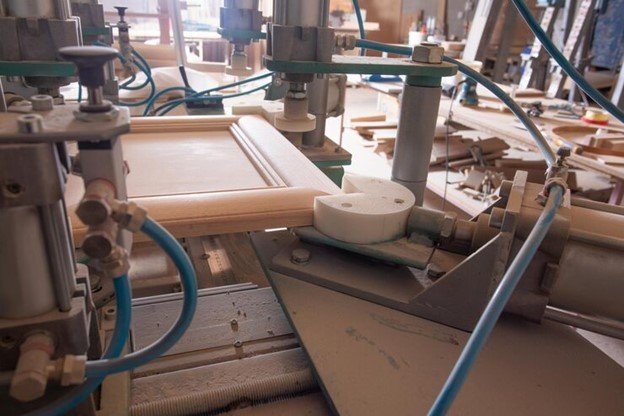
A shop running a Modular Furniture machine once faced repeated downtime within a year of purchase. The machine wasn’t faulty. Maintenance was irregular. Once basic care routines were followed, performance stabilized and output improved.
This blog walks through simple, practical ways to increase machine life without overcomplicating things.
Why Maintenance Matters More Than You Think
Industrial machines operate under constant load. Heat builds up. Dust settles in corners. Parts move thousands of times every hour. Over time, small wear turns into bigger issues.
Frequent maintenance assists in maintaining the stability of the machines, minimizing cases of stoppage, and safeguarding accuracy. Most of the factories with regular maintenance have less breakdown and an improved production cycle.
Start With Daily Attention
Small daily habits create long-term results. Ignoring them creates slow damage.
Pay attention to these basics:
- Dust buildup near motors and moving parts
- Loose components or unusual vibrations
- Dry surfaces that need lubrication
Dust, especially in woodworking units, is more harmful than it looks. It slowly enters bearings and electrical areas, reducing efficiency over time.
A quick clean at the end of each shift often prevents hours of repair later.
Lubrication Is Not Optional
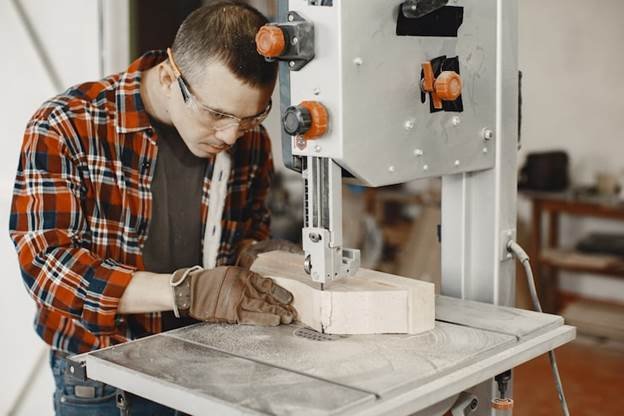
Friction quietly damages machines. Without proper lubrication, moving parts wear faster than expected. Every machine has specific points that need oil or grease. Skipping even one cycle can lead to overheating or uneven motion. On Customised wood working machines, where precision is important, poor lubrication directly affects output quality.
Too much lubrication is also a problem. Excess grease attracts dust, which then turns into a thick layer of grime. Balance is key.
Calibration Keeps Accuracy Alive
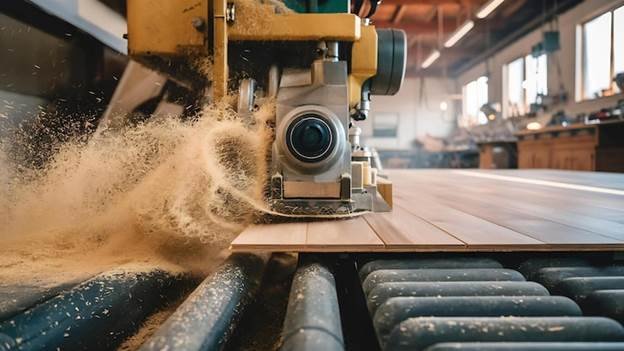
Cutting errors, uneven edges, and alignment issues often come from poor calibration. Machines are slightly drifted. The important thing is the frequency at which they are checked and corrected. The calibration schedule can be weekly or monthly to maintain consistency. In the case of Special Purpose wood working machines, calibration is even more crucial since they have very specific purposes. Any slight misalignment can affect the whole production lot.
Operators Make a Bigger Difference Than Machines
Machines don’t fail alone. Improper handling speeds up wear and tear.
Operators should clearly understand:
- Correct startup and shutdown process
- Load limits and safe usage
- Basic troubleshooting steps
A trained operator notices problems early. An untrained one often ignores them until damage is visible. Consistent training reduces mistakes and improves machine life.
Build a Simple Maintenance System
Maintenance doesn’t need to be complex. What matters is consistency.
A practical system includes:
- A checklist for each machine
- A record of servicing and repairs
- A fixed schedule for inspection and lubrication
This kind of routine keeps things predictable. It also helps identify recurring issues before they become serious.
Temperature and Power Stability
The machines produce heat when they are in operation. Internal parts begin to wear out without the necessary cooling.
Long-term damage can be caused by poor ventilation, blocked fans or unstable power supply. Control systems are particularly unsafe with electrical fluctuations.
Keeping machines in a well-ventilated area and ensuring a stable voltage supply can prevent many hidden issues.
Replace Small Parts Early
Waiting for a part to fail often leads to bigger problems. Small components protect larger systems.
Keep an eye on:
- Belts and bearings
- Filters and brushes
- Worn-out connectors
Replacing these early is far cheaper than repairing a major breakdown.
Real Experience from the Shop Floor
One mid-sized woodworking unit struggled with frequent stoppages. Production delays became common. The machines were not very old, but maintenance routines were inconsistent.
Once they introduced daily cleaning, scheduled lubrication, and regular calibration checks, things changed quickly. Downtime was reduced, and output became more stable within a few months. No major investment was needed. Just better discipline.
When Professional Help Is Needed
Some issues go beyond routine care. Abnormal noise, loss of accuracy or electrical faults should be noted. It is usually cheaper and faster to call a technician during an earlier time.
Conclusion
Machines don’t demand perfection. They need consistency. Clean surfaces, proper lubrication, correct handling, and regular checks make all the difference.
Overlooking minor details results in greater shortcomings. Early attention is important to ensure machines last longer and run more efficiently.
Those businesses that consider maintenance as an ongoing activity rather than an incident, without exception, achieve greater results. Many industries still rely on Garnet India to provide them with reliable machinery and consistent performance.
FAQs
1. How often should a Modular Furniture machine be maintained?
Basic cleaning should be done daily. Lubrication and inspection can be scheduled weekly or monthly depending on usage.
2. Why is lubrication important in Customised wood working machines?
Lubrication reduces friction and prevents wear. Without it, parts heat up and lose efficiency over time.
3. Do Special Purpose wood working machines require special care?
Yes, because they are designed for specific tasks. Regular calibration and careful handling are essential to maintain accuracy.
4. What is the most common cause of machine failure?
Neglecting small maintenance tasks like cleaning, lubrication, and inspection is the most common reason behind machine failure.