
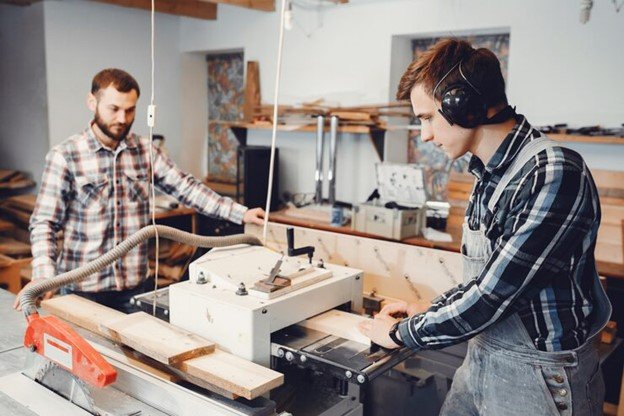
A workshop in Indore kept missing measurements by 1 or 2 mm. Small-error but big problem. Panels didn’t fit, edges needed rework, time got wasted. They were using decent customised wood working machines, yet accuracy kept slipping. The fix wasn’t a new machine. It was a mix of small changes in setup, tools, and habits.
Accuracy in CNC machining rarely fails because of one big issue. It’s usually a chain of small ones. This guide breaks down what actually improves precision in real workshop conditions.
Why Accuracy Matters More Than Speed
Speed feels productive. Accuracy is what keeps customers coming back. Even a slight mismatch affects assembly, especially in modular furniture and panel work. Rework eats time. Material waste adds cost. A precise setup may feel slower at first, but it saves far more in the long run.
Start with Machine Calibration
Machines drift over time. It happens slowly, often unnoticed. Calibration resets that drift. Axis alignment, tool positioning, and movement accuracy all need regular checks. Many operators skip this step until errors become visible. By then, damage is already done. A simple routine calibration schedule keeps things stable.
Tool Quality and Condition
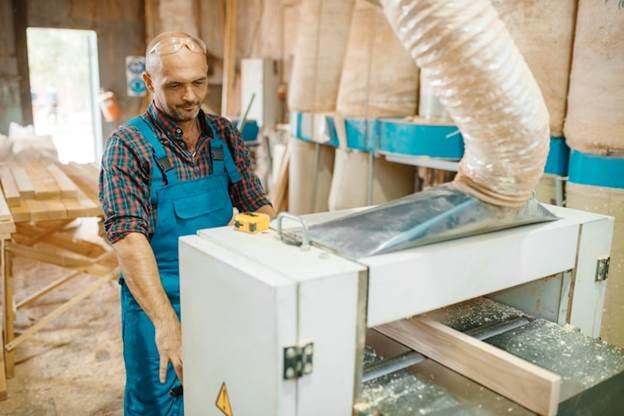
Cutting tools directly impact precision. Worn tools create rough edges, inaccurate cuts, and uneven finishes. Sharp tools cut cleaner and hold dimensions better. Cheap tools may save money upfront, but they wear out faster and reduce consistency. Shops using special purpose wood working machines often rely on high-quality tools because their work demands tighter tolerances.
Material Handling and Setup
Accuracy is not just about the machine. Material positioning matters just as much. Loose clamping causes movement during cutting. Even slight shifts lead to errors. Uneven surfaces or warped boards also affect results. Preparing material before machining improves consistency. This step is often ignored, but it makes a noticeable difference.
Key Factors That Improve CNC Accuracy
- Regular calibration of machine axes and positioning
- Using sharp and high-quality cutting tools
- Proper clamping and stable material setup
- Consistent machine maintenance routines
These basics solve most accuracy issues before they grow.
Software and Programming Errors
CNC machines follow instructions. If the instructions are wrong, results will be wrong. Incorrect tool paths, wrong offsets, or poor design files create inaccuracies. Double-check programs before running.
Small errors in code often lead to big problems in output. Operators working with customised wood working machines often tweak programs frequently. That’s where careful checking becomes critical.
Machine Stability and Environment
Heavy machines perform better. Less vibration means better precision. Temperature changes can also affect measurements slightly, especially in long runs. Dust build-up affects sensors and movement. Clean working environments help machines perform consistently. Even small environmental factors add up over time.
Real Workshop Example
A furniture manufacturer in Pune faced repeat errors in panel cutting. They checked tools, materials, and software. The issue turned out to be loose guide rails. After tightening and recalibrating, accuracy improved instantly. No major investment. Just proper maintenance. That’s how small mechanical issues can impact results.
Smart Practices That Make a Difference
- Run test cuts before full production
- Keep a log of machine performance and errors
- Train operators to notice early signs of inaccuracy
- Schedule regular maintenance instead of waiting for breakdowns
Consistency comes from routine, not one-time fixes.
Role of Supporting Machines
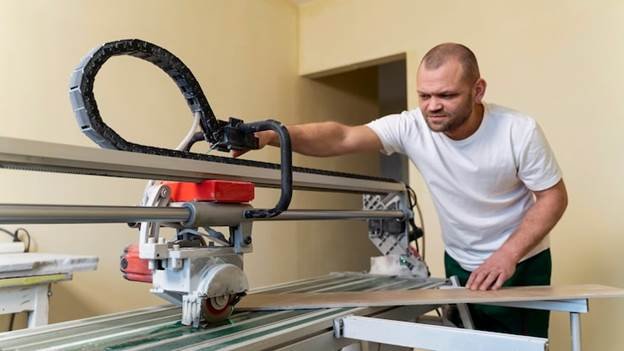
CNC accuracy also depends on pre- and post-processes. A panel saw machine used before CNC cutting must deliver straight, accurate cuts. Poor initial cuts affect final machining accuracy. Similarly, finishing processes must align with CNC precision. Every step in the workflow matters. Accuracy is not isolated. It flows through the entire process.
When Upgrading Becomes Necessary
Older machines may struggle with precision due to wear or outdated systems. High-volume production often demands tighter accuracy levels.
That’s where advanced or special-purpose woodworking machines become useful. Upgrading is not always required, but knowing when your machine has reached its limit helps avoid repeated errors.
Conclusion
Improving CNC machining accuracy is not about one big fix. It’s about small, consistent improvements. Calibration, tool quality, material setup, and machine maintenance all play a role.
Ignoring any one of these creates problems. Customised wood working machines perform best when supported by good practices and careful handling. Accuracy builds trust. And in manufacturing, trust builds business.
For workshops looking to improve machining performance and reliability, Garnet India is a name worth considering.
FAQs:
1. How can I improve accuracy in customised wood working machines?
Regular calibration, proper tool maintenance, and correct material setup help improve accuracy in customised wood working machines.
2. Do special-purpose woodworking machines offer better precision?
Yes, special-purpose woodworking machines are designed for specific tasks and often deliver higher precision for those applications.
3. Why is my CNC machine giving inconsistent results?
Common reasons include worn tools, incorrect calibration, loose material setup, or programming errors.
4. Does a panel saw machine affect CNC accuracy?
Yes, a panel saw machine used before CNC processing must provide accurate cuts, as initial errors carry forward into final machining.